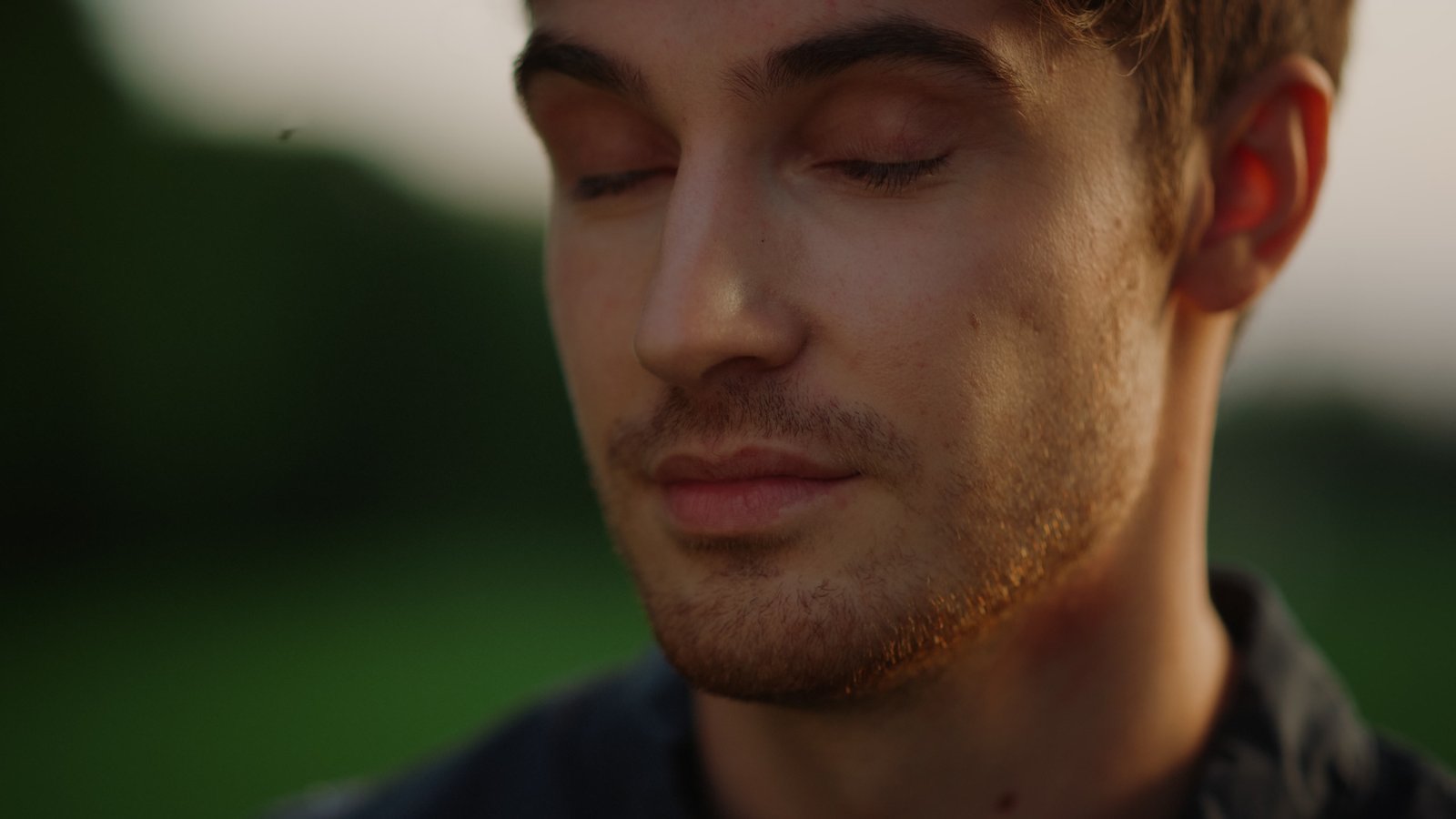
The Case for Less
I’ve been thinking a lot lately about the paradox of modern photo editing. We have more tools than ever before—sliders upon sliders, presets galore, AI-powered adjustments that feel like magic. Yet some of the most compelling images I encounter are barely touched. There’s something genuinely refreshing about a photograph that knows when to stop.
This month, I’ve been observing a growing conversation in the photography community about what “minimally edited” actually means. And honestly? It’s a question worth exploring deeply, especially for those of us obsessed with Lightroom and color grading.
Defining the Minimalist Approach
Here’s where it gets interesting: every RAW file demands some intervention. That’s just physics. Your camera’s sensor captures data, not a finished image. So when we talk about minimal editing, we’re not talking about zero adjustments. We’re talking about intentionality.
I think of it like the difference between a film director’s cut and a special edition loaded with unnecessary CGI. Sometimes the original vision—preserved with just a touch of refinement—hits harder than something that’s been endlessly tweaked.
In practical Lightroom terms, minimal editing might look like:
- Basic exposure and contrast adjustments
- Perhaps some gentle clarity or texture work
- Restrained color grading that enhances rather than transforms
- Letting your camera’s native color science do the heavy lifting
Why This Matters for Your Editing Practice
Working within constraints actually sharpens your skills. When you can’t rely on heavy-handed adjustments, you become more discerning about composition, lighting, and the fundamentals. It’s like learning jazz standards before you improvise—the discipline informs everything that comes after.
There’s also something beautifully honest about minimal editing. In an era where every image gets turned up to eleven, there’s real power in subtlety. A photograph edited with restraint feels trustworthy. It feels real.
The Challenge Ahead
I’d encourage you to experiment with this approach yourself. Pick your best shots and challenge yourself to edit them as minimally as possible while still bringing out their best qualities. What’s the least amount of adjustment needed to make the image sing?
You might discover that some of your most beloved work is hiding beneath layers of unnecessary editing. Or you might find that your editing process becomes faster, more intentional, and ultimately more effective.
Sometimes the best edit is the one you don’t make.
Comments (2)
I keep coming back to this article. It's that useful.
Shared this with my photography group. Everyone loved it.
Leave a Comment