Stop Editing One Photo at a Time: A Real Workflow for Batch Editing in Lightroom

Stop Editing One Photo at a Time: A Real Workflow for Batch Editing in Lightroom

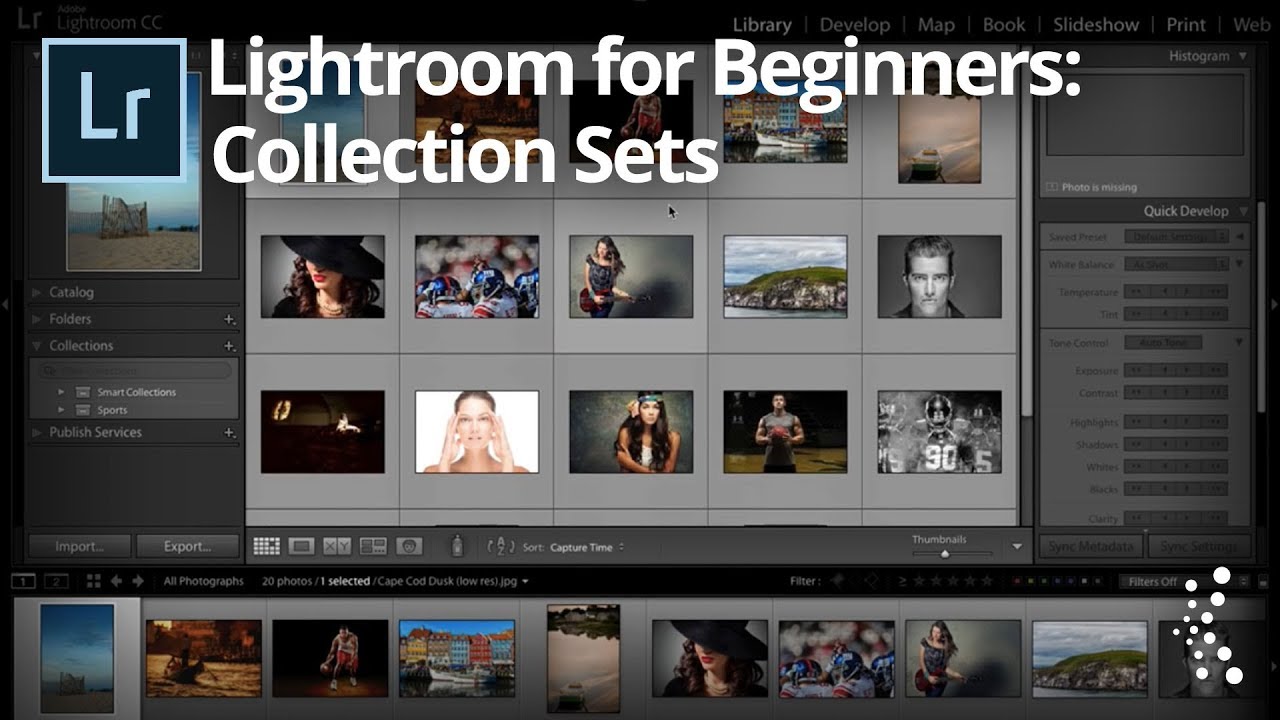
Last Tuesday I had 847 photos from a single session sitting in Lightroom. Wedding, golden hour, outdoor ceremony, great light. The kind of shoot where everything goes right and you pay for it later in the culling process. My needle was playing through a Fleetwood Mac record and I had exactly four hours before delivery. I didn’t panic, because I’ve been here before. I batch edited the whole set in about ninety minutes and spent the remaining time on targeted fine-tuning.

Blown Highlights Aren't Dead — How I Learned to Stop Deleting and Start Recovering

Blown Highlights Aren't Dead — How I Learned to Stop Deleting and Start Recovering

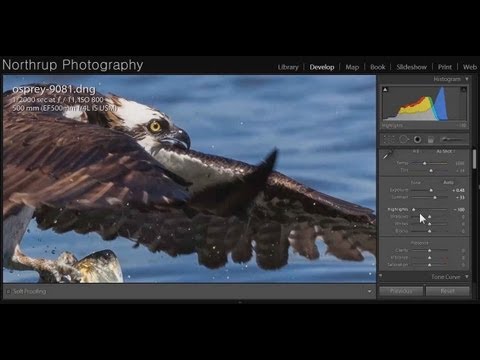
Last week I was sorting through a set of golden hour shots from Percy Priest Lake and doing that thing photographers do where you hover over the delete key like you’re defusing a bomb. Sky completely blown. Foreground perfect. Classic high-contrast nightmare. My instinct, same as it’s been since I started editing, was to write those frames off and move on. Then I watched this. In this Mark Denney tutorial on recovering blown highlights, he makes an argument I’ve heard before but never fully trusted: that a clipped histogram doesn’t automatically mean a dead photo.

Lightroom's New Masking Tools Finally Fix the Thing That Was Driving Me Crazy

Lightroom's New Masking Tools Finally Fix the Thing That Was Driving Me Crazy

I was editing a landscape shot last week, a late-afternoon frame with a ridgeline cutting across a gradient sky, and I hit the same wall I’ve been hitting for years. The luminance range mask was doing most of the job, but the edge blending looked like it had been cut out with scissors. I’ve built enough workarounds for this problem that I stopped noticing how annoying it was. That’s a bad sign.

Double-Click Your Way Out of Lightroom Chaos (Scott Kelby's Fastest Reset Trick)

Double-Click Your Way Out of Lightroom Chaos (Scott Kelby's Fastest Reset Trick)

Last week I was deep into a portrait edit, chasing a warm film look I had in my head, and somewhere between pushing Dehaze too far and getting aggressive with the HSL panel, I lost the plot completely. The image looked like it had been processed by someone who had never seen a photograph before. We’ve all been there. The instinct is to hit Undo fifteen times or just reset the whole develop module and start over, but both options are slower than they need to be — and a full reset throws out the adjustments that were actually working.

Why Your Digital Photos Look Wrong (And How Film Emulation Actually Fixes It)

Why Your Digital Photos Look Wrong (And How Film Emulation Actually Fixes It)

There’s a photo on my hard drive from about eight years ago. My band needed press shots and nobody in our circle could afford a photographer, so I picked up a camera, read enough to be dangerous, and shot them myself. The images were technically fine. Sharp, well-exposed, clean. And they looked completely lifeless. I spent three days trying to figure out why a photo of four people standing in actual sunlight looked like a screenshot from a corporate training video.

Lightroom's Quietly Dropped Two Masking Features That Change Everything About Local Adjustments

Lightroom's Quietly Dropped Two Masking Features That Change Everything About Local Adjustments

Last month I was editing a shot from Percy Warner Park, golden hour light cutting through a dense tree line, the kind of image that looks effortless until you try to isolate the sky. I dropped a linear gradient over the top third, pulled down the highlights, and the result looked exactly like what it was: a hard-edged box sitting on top of my photo. The tree branches bleeding into the mask looked painted.

AI Just Walked the Red Carpet: What Dreams of Violets Means for Creative Professionals

AI Just Walked the Red Carpet: What Dreams of Violets Means for Creative Professionals

The Moment We’ve All Been Waiting For (Or Dreading) This June, something genuinely historic happens at the Tribeca Festival. A feature-length film called “Dreams of Violets” will premiere—and here’s the kicker: every single frame, every actor, every shadow and highlight was created entirely by artificial intelligence. No cameras. No location scouts. No 2 a.m. color grading sessions with cold coffee. I have to admit, when I first heard about this, my gut reaction was complicated.

Split Toning in Lightroom: How Two Colors Can Make or Break the Whole Mood of a Photo

Split Toning in Lightroom: How Two Colors Can Make or Break the Whole Mood of a Photo

I have a preset I built about three years ago called “Rumours.” Warm golden shadows, slightly cool highlights, the kind of look that makes a portrait feel like it was shot in a California living room in 1977. I named it after the Fleetwood Mac album because that’s the mood I was chasing when I built it. I’ve used it on maybe two dozen client galleries since then, and people consistently ask me how I got “that color.

Lightroom's Lens Blur Tool: Finally Getting That Bokeh Right in Post-Production

Lightroom's Lens Blur Tool: Finally Getting That Bokeh Right in Post-Production

Lightroom’s Lens Blur Tool: Finally Getting That Bokeh Right in Post-Production I’ve spent enough time in Lightroom to know which tools actually deliver and which ones are just taking up panel real estate. When Adobe introduced the Lens Blur feature to Lightroom Classic, I’ll admit I was skeptical. Can software really fake what a fast lens and proper aperture do in-camera? Turns out, the answer is more nuanced than a simple yes or no.

Stop Manually Dragging Sliders Back to Zero — There's a Much Faster Way

Stop Manually Dragging Sliders Back to Zero — There's a Much Faster Way

Last week I was doing a second pass on a batch of live music shots, the kind where you’ve already applied a sync across fifty frames and then realize the Texture slider is doing something weird on half of them. My usual move was to grab each slider and drag it back toward zero, squinting at the number until I landed close enough. Close enough. That’s not a workflow, that’s a nervous habit.

How to Edit a Sunrise RAW File When the Sky Is Already Doing the Work

How to Edit a Sunrise RAW File When the Sky Is Already Doing the Work

There’s a specific kind of editing panic that hits when a shot is already beautiful straight out of camera. You open the RAW file, the colors are wild, the light is doing something genuinely magical, and suddenly every adjustment feels like you’re either underselling it or wrecking it. I hit that exact wall last spring shooting golden hour along the Cumberland River. The sky was doing everything right. I did too much in post.

Split Toning Is the Difference Between a Good Edit and a Memorable One

Split Toning Is the Difference Between a Good Edit and a Memorable One

I had a folder of band press shots sitting on my desktop for three days before I figured out what was wrong with them. The exposure was right. The white balance was dialed. The skin tones looked natural. And the photos were completely, aggressively boring. They looked like stock photos of musicians rather than actual musicians. It wasn’t until I added a warm amber to the shadows and a faint blue to the highlights that the whole thing clicked.