The Art of Color Grading in Lightroom: Moving Beyond Auto Tone

The Art of Color Grading in Lightroom: Moving Beyond Auto Tone

The Art of Color Grading in Lightroom: Moving Beyond Auto Tone I used to think color grading was something only Hollywood colorists did in million-dollar studios. Then I realized I’d been looking at it all wrong. Every time you scroll through Instagram and see a photo that just hits differently—that moody blue hour portrait, that sun-soaked travel shot with buttery golden tones—that’s color grading. And I’m here to tell you that you absolutely can master it in Lightroom.

Split Toning: Adding Mood with Color Contrast

Split Toning: Adding Mood with Color Contrast

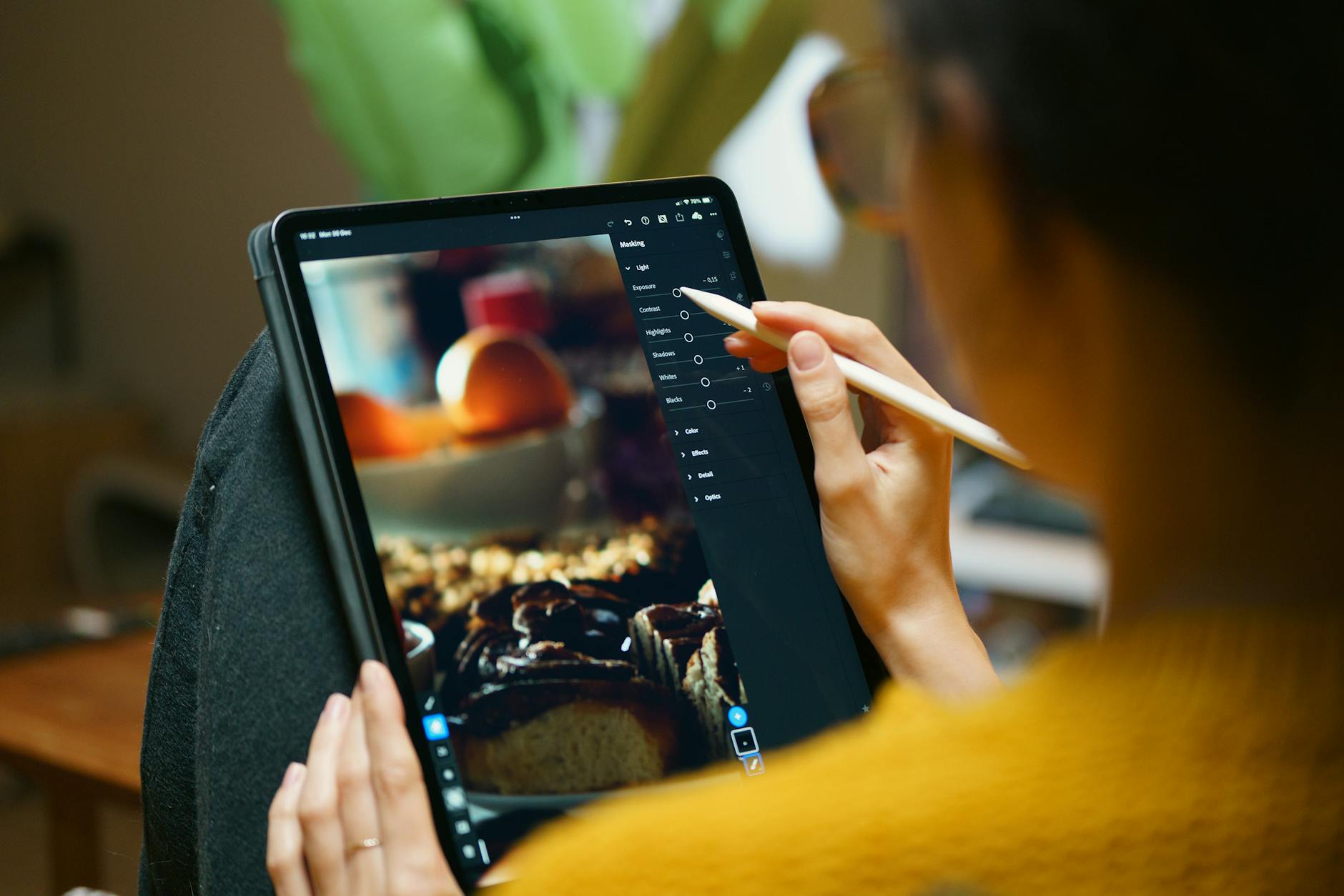
Split toning adds different color tints to the shadows and highlights of an image. It’s one of the most powerful mood-setting tools in Lightroom, and it works on both color and black and white images. The principle is simple: warm highlights and cool shadows (or vice versa) create a color contrast that adds dimension and atmosphere to any image. Understanding the Color Grading Panel Lightroom’s Color Grading panel (formerly called Split Toning) gives you three color wheels:

Moody Edits: Achieving Dark and Atmospheric Looks

Moody editing gets a bad reputation because it’s easy to do poorly. Crank down the exposure, add a blue tint, call it moody. That’s not mood — that’s just a dark, muddy photo. Real moody editing creates atmosphere and emotion through deliberate tonal and color choices. Here’s how to do it with intention. The Moody Mindset Before touching any sliders, understand what mood you want to create. “Moody” isn’t one look — it’s a spectrum:

Teal and Orange: Why This Color Grade Dominates Social Media

Teal and Orange: Why This Color Grade Dominates Social Media

Open Instagram, scroll through travel photography, and count how many photos use some variation of teal shadows and warm orange highlights. It’s the dominant color grade of social media photography, and there’s a reason it works so well. Why Teal and Orange Works Color Theory Teal and orange are complementary colors — they sit on opposite sides of the color wheel. Complementary color combinations create maximum visual contrast, making images feel vibrant and dynamic even at moderate saturation levels.

Mastering the Tone Curve in Lightroom: Your Secret Weapon for Professional Color Grading

Mastering the Tone Curve in Lightroom: Your Secret Weapon for Professional Color Grading

Mastering the Tone Curve in Lightroom: Your Secret Weapon for Professional Color Grading When I first started editing photos seriously, I lived and died by the Exposure slider. More light? Turn it up. Too dark? Crank it higher. It worked, sure—but it felt like using a sledgehammer when I needed a scalpel. Then I discovered the tone curve, and everything changed. The tone curve is where amateurs become professionals. It’s the difference between a photo that looks “edited” and one that looks intentional.

Mastering the Tone Curve in Lightroom: Transform Your Photos Like a Pro

Mastering the Tone Curve in Lightroom: Transform Your Photos Like a Pro

Mastering the Tone Curve in Lightroom: Transform Your Photos Like a Pro When I first opened Lightroom’s tone curve panel, I felt like I’d unlocked the cheat code to professional-looking edits. While the Basic panel handles the heavy lifting, the tone curve is where the magic happens. Think of it as the difference between a solid Marvel movie and one that actually wins awards—same foundation, infinitely more refinement. What Is a Tone Curve, Actually?

Mastering the Tone Curve in Lightroom: Transform Your Images with Precision

Mastering the Tone Curve in Lightroom: Transform Your Images with Precision

Mastering the Tone Curve in Lightroom: Transform Your Images with Precision I’ll be honest—when I first opened Lightroom’s tone curve panel, I felt like I was staring at a financial spreadsheet. Lines. Graphs. Numbers. Not exactly inspiring. But then I realized something: the tone curve isn’t complicated at all. It’s actually the most intuitive way to control your image’s mood, contrast, and personality. Think of the tone curve as a control panel for every brightness level in your photo.

Mastering HSL Adjustments in Lightroom: The Secret to Surgical Color Control

Mastering HSL Adjustments in Lightroom: The Secret to Surgical Color Control

Mastering HSL Adjustments in Lightroom: The Secret to Surgical Color Control I used to think Lightroom’s HSL panel was overkill. Why adjust individual colors when you can just tweak the overall exposure and call it a day? Then I spent an afternoon editing a portrait where the subject’s skin tone was slightly too orange, and I realized I’d been leaving money on the table for years. HSL stands for Hue, Saturation, and Luminance—and it’s the closest thing we have to a scalpel in Lightroom’s toolkit.

Master HSL Adjustments in Lightroom: Transform Your Colors Like a Pro

Master HSL Adjustments in Lightroom: Transform Your Colors Like a Pro

Master HSL Adjustments in Lightroom: Transform Your Colors Like a Pro I discovered HSL adjustments about three years into my Lightroom journey, and honestly, I felt robbed of those years. This tool changed everything about how I approach color grading—it’s like going from adjusting the master volume on your entire song to having individual faders for each instrument. HSL stands for Hue, Saturation, and Luminance, and it’s one of the most underrated features in Lightroom’s develop module.

Lightroom Presets: Your Secret Weapon for Consistent, Professional Color Grading

Lightroom Presets: Your Secret Weapon for Consistent, Professional Color Grading

Lightroom Presets: Your Secret Weapon for Consistent, Professional Color Grading I used to spend 20 minutes on every single photo. White balance here, shadows there, a bit of vibrance, maybe some split-toning if I was feeling fancy. My workflow was messier than my desk, and my editing style was all over the place—like I was a different photographer with each shot. Then I discovered the real power of Lightroom presets, and honestly?

Film Emulation in Lightroom: How to Master Analog Aesthetics in the Digital Age

Film Emulation in Lightroom: How to Master Analog Aesthetics in the Digital Age

Film Emulation in Lightroom: How to Master Analog Aesthetics in the Digital Age I’ll be honest—I spent three years shooting digital before I realized what I was missing. It wasn’t the gear. It was the soul. There’s something about film that makes images feel like memories rather than just pictures. The problem? Film costs money, requires a scanner, and honestly, not every shot deserves to be shot on Portra 400.

Creating Film Emulation Looks in Lightroom

Creating Film Emulation Looks in Lightroom

There’s a reason film photography has seen a massive revival: film looks beautiful. The colors, grain, and tonal characteristics of classic film stocks have a quality that digital images straight out of camera don’t naturally have. But you don’t need to shoot film to get the look. Lightroom can convincingly emulate the characteristics of popular film stocks if you understand what makes each one distinctive. What Makes Film Look Like Film Several characteristics separate film rendering from digital: