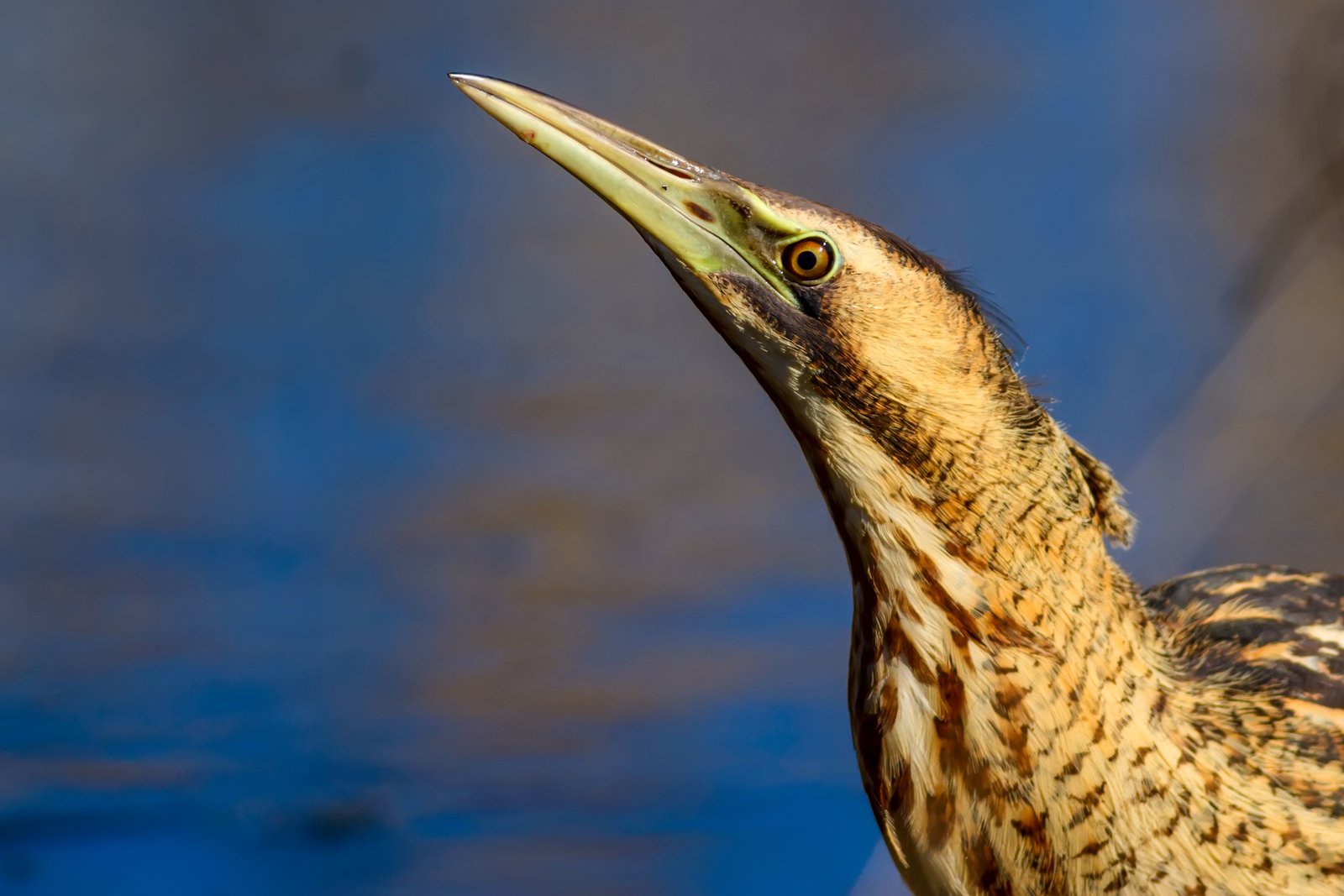
Why Your Bird Photos Look Flat (And How Masking Fixes It)
I’ve spent countless hours editing wildlife photography, and I can tell you with absolute certainty: bird shots are the ultimate test of a photographer’s post-processing skills. You can nail the exposure, composition, and focus, but without the right editing approach, your image will land somewhere between “meh” and “did I really take this?”
The problem isn’t your camera or your technique in the field. It’s that most of us are treating bird photography edits like they’re landscape shots—applying global adjustments that affect the entire frame equally. That’s where we’re going wrong.
The Masking Revolution
Here’s what separates a striking bird image from a forgettable one: strategic masking in Lightroom. Not the basic stuff everyone knows about. I’m talking about a deliberate sequence of masking decisions that target your subject, background, and everything in between with surgical precision.
Think of it like a musician layering tracks. Your bird needs its own mix, your background needs its own treatment, and they need to work in harmony—not compete for attention.
The Sequence That Actually Works
Most photographers jump straight into saturation and clarity adjustments without considering what they’re really trying to accomplish. What I’ve discovered is that the editing order matters more than the settings themselves.
Start by isolating your subject using Lightroom’s masking tools. Boost the clarity and micro-contrast on the bird itself—this is where feather definition comes alive. Then, and this is crucial, address your background separately. A muddy, competing background will drag down even the most perfectly exposed subject.
Finally, layer in your color grading. Maybe your bird needs slightly warmer tones while your background gets a cooler treatment. This separation creates depth and draws the viewer’s eye exactly where you want it.
The Real Payoff
What you’re really doing is giving each element of your composition its own voice. Your bird isn’t just sitting in space anymore—it’s present, with texture and dimension. The background recedes into its proper place as context, not competition.
This masking workflow eliminates that flat, one-dimensional feeling that plagues so many bird shots. You’re not just editing a photograph; you’re conducting a visual hierarchy that makes your subject impossible to ignore.
If you’ve ever wondered why some wildlife photographers’ images just pop while others fall flat despite similar technical quality, this is often the answer. It’s not magic. It’s intentional, layered editing using tools that already exist in Lightroom.
The separation between a striking bird shot and a forgettable one often comes down to whether you’re editing the whole image or editing with intention.
Comments (5)
Shared this with my photography group. Everyone loved it.
Love this. I referenced a similar technique in one of my recent posts. Always good to see other perspectives.
Love how you break down complex stuff into manageable steps.
Would love to see a follow-up going deeper into this topic.
Solid advice. Especially the part about taking your time with it.
Leave a Comment