Split Toning in Lightroom: The Secret Weapon for Cinematic Color Grading

Split Toning in Lightroom: The Secret Weapon for Cinematic Color Grading

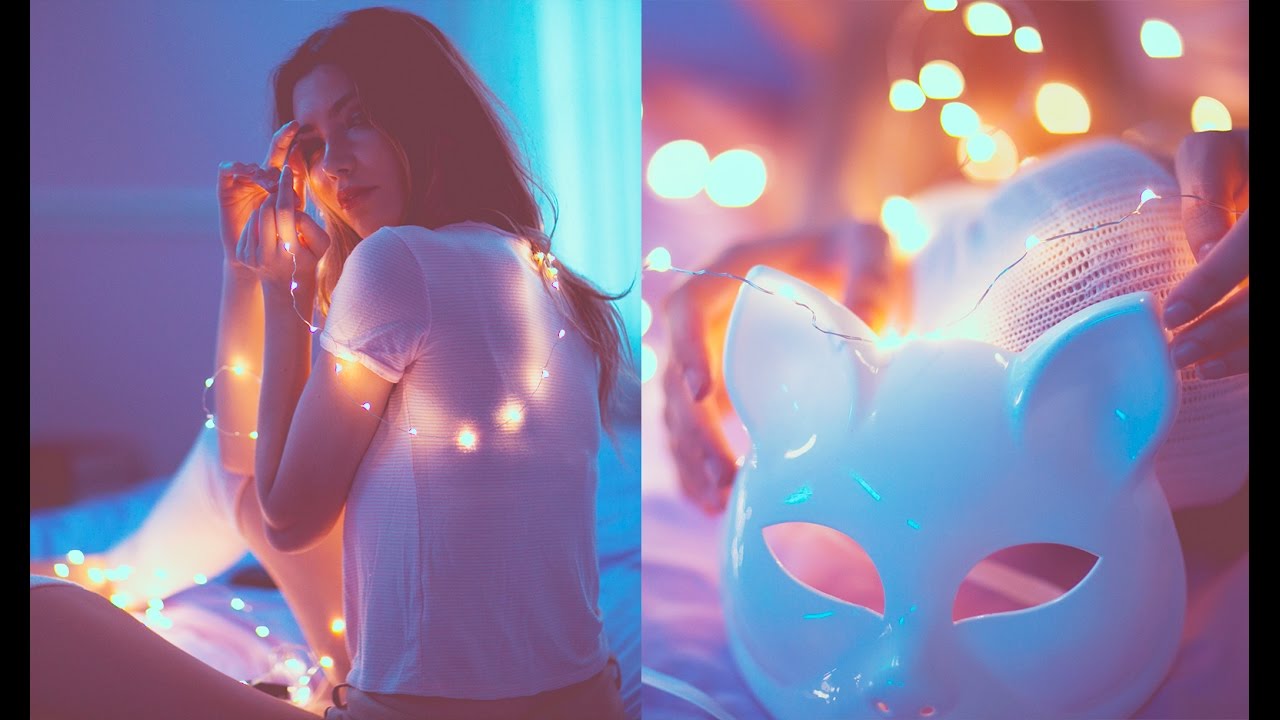
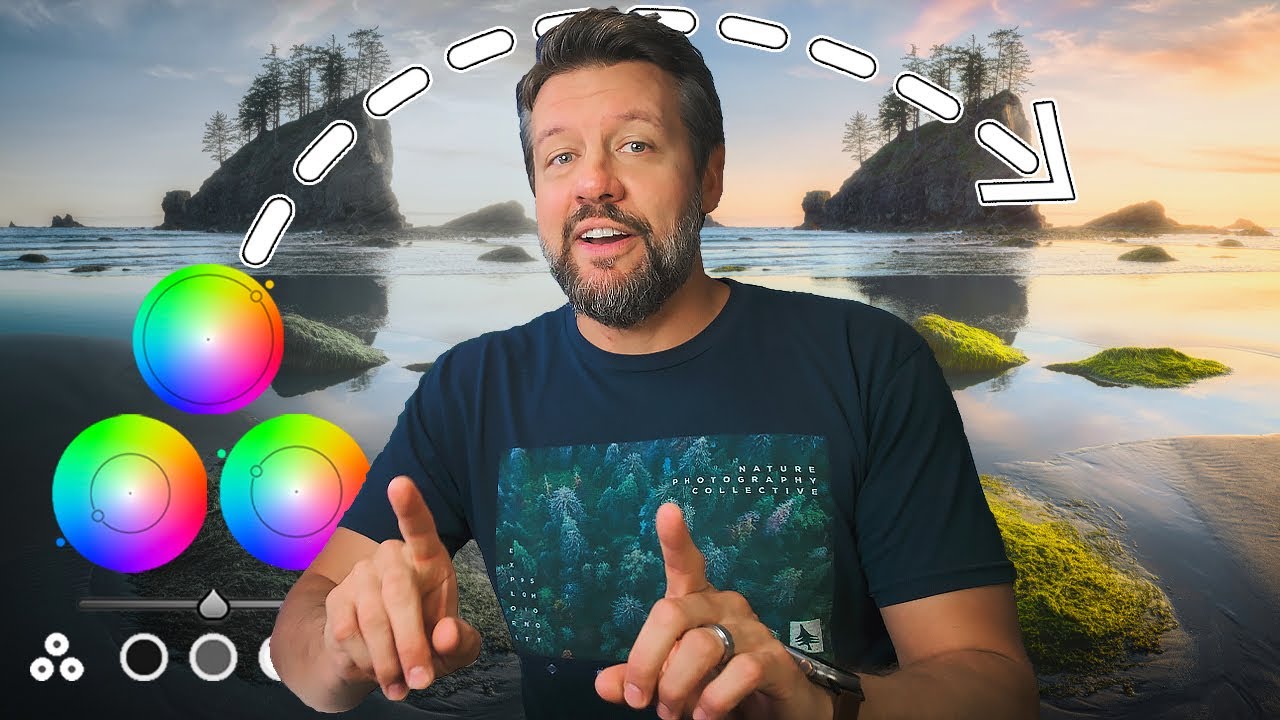
Split Toning in Lightroom: The Secret Weapon for Cinematic Color Grading I used to think my photos were missing something intangible—that ineffable quality that separates “nice Instagram photo” from “I want to frame this.” Then I discovered split toning, and honestly, it changed everything. Split toning is when you add different colors to the shadows and highlights of an image simultaneously. It’s the technique behind those moody, cinematic edits you see in prestige TV shows and indie films.

Mastering Tone Curve in Lightroom: The Secret Weapon for Professional Color Grading

Mastering Tone Curve in Lightroom: The Secret Weapon for Professional Color Grading

Mastering Tone Curve in Lightroom: The Secret Weapon for Professional Color Grading When I first discovered the tone curve in Lightroom, it felt like unlocking a cheat code. The basic sliders—exposure, contrast, highlights—they’re great for quick fixes. But the tone curve? That’s where the magic happens. It’s the difference between a decent photo and one that makes people stop scrolling. Think of the tone curve as your personal lighting director. While exposure adjustments are like turning a dimmer switch on and off, the tone curve lets you reshape the entire tonal landscape of your image with surgical precision.

Mastering the Tone Curve in Lightroom: Your Secret Weapon for Professional Color Grading

Mastering the Tone Curve in Lightroom: Your Secret Weapon for Professional Color Grading

Mastering the Tone Curve in Lightroom: Your Secret Weapon for Professional Color Grading When I first started editing photos seriously, I lived and died by the Exposure slider. More light? Turn it up. Too dark? Crank it higher. It worked, sure—but it felt like using a sledgehammer when I needed a scalpel. Then I discovered the tone curve, and everything changed. The tone curve is where amateurs become professionals. It’s the difference between a photo that looks “edited” and one that looks intentional.

Mastering the Tone Curve in Lightroom: Transform Your Photos Like a Pro

Mastering the Tone Curve in Lightroom: Transform Your Photos Like a Pro

Mastering the Tone Curve in Lightroom: Transform Your Photos Like a Pro When I first opened Lightroom’s tone curve panel, I felt like I’d unlocked the cheat code to professional-looking edits. While the Basic panel handles the heavy lifting, the tone curve is where the magic happens. Think of it as the difference between a solid Marvel movie and one that actually wins awards—same foundation, infinitely more refinement. What Is a Tone Curve, Actually?

Mastering the Tone Curve in Lightroom: Transform Your Images with Precision

Mastering the Tone Curve in Lightroom: Transform Your Images with Precision

Mastering the Tone Curve in Lightroom: Transform Your Images with Precision I’ll be honest—when I first opened Lightroom’s tone curve panel, I felt like I was staring at a financial spreadsheet. Lines. Graphs. Numbers. Not exactly inspiring. But then I realized something: the tone curve isn’t complicated at all. It’s actually the most intuitive way to control your image’s mood, contrast, and personality. Think of the tone curve as a control panel for every brightness level in your photo.

Mastering the Tone Curve in Lightroom: The Secret Weapon of Professional Editors

Mastering the Tone Curve in Lightroom: The Secret Weapon of Professional Editors

Mastering the Tone Curve in Lightroom: The Secret Weapon of Professional Editors I used to think the Tone Curve was for advanced editors only—you know, the kind of people who use words like “luminosity” casually at dinner parties. But after years of editing thousands of photos, I’ve realized it’s actually the most forgiving, most powerful tool in Lightroom’s arsenal. And honestly? It’s easier to master than you’d think. The tone curve changed everything for me.

Mastering Lightroom Export Settings: The Ultimate Guide to Getting Your Colors Right

Mastering Lightroom Export Settings: The Ultimate Guide to Getting Your Colors Right

Mastering Lightroom Export Settings: The Ultimate Guide to Getting Your Colors Right I used to be that person. You know the one—I’d spend three hours perfecting a portrait in Lightroom, hit export, and watch my carefully crafted colors flatten and shift the moment the image landed on my hard drive. It felt like watching your favorite song get compressed into a low-quality MP3. I was doing the creative work right, but completely botching the delivery.

Mastering Lightroom Export Settings: The Difference Between Good and Wow

Mastering Lightroom Export Settings: The Difference Between Good and Wow

Mastering Lightroom Export Settings: The Difference Between Good and “Wow” I used to be that person. You know the one—I’d spend two hours color grading a portrait, nail the skin tones, get the highlights just right, hit export with default settings, and then wonder why the photo looked flat and lifeless on Instagram. Turns out, export settings aren’t just technical minutiae. They’re the final boss between your vision and what everyone else actually sees.

Mastering HSL in Lightroom: The Secret Weapon for Selective Color Grading

Mastering HSL in Lightroom: The Secret Weapon for Selective Color Grading

Mastering HSL in Lightroom: The Secret Weapon for Selective Color Grading I used to think that getting the perfect color grade meant either nailing it in-camera or spending hours with masks and brushes. Then I discovered the HSL panel in Lightroom, and it completely changed my workflow. If you’re not using it yet, you’re leaving serious creative potential on the table. HSL stands for Hue, Saturation, and Luminance—three separate controls that let you adjust specific color ranges independently.

Mastering HSL in Lightroom: The Secret to Surgical Color Control

Mastering HSL in Lightroom: The Secret to Surgical Color Control

Mastering HSL in Lightroom: The Secret to Surgical Color Control I used to think color grading was an all-or-nothing game. Adjust the shadows, watch your highlights blow out. Push the saturation, suddenly your skin tones look like a bad spray tan. Then I discovered HSL, and it fundamentally changed how I approach every single edit. HSL stands for Hue, Saturation, and Luminance — and it’s basically the surgical instrument of Lightroom’s toolkit.

Mastering HSL Adjustments in Lightroom: The Secret to Surgical Color Control

Mastering HSL Adjustments in Lightroom: The Secret to Surgical Color Control

Mastering HSL Adjustments in Lightroom: The Secret to Surgical Color Control I used to think Lightroom’s HSL panel was overkill. Why adjust individual colors when you can just tweak the overall exposure and call it a day? Then I spent an afternoon editing a portrait where the subject’s skin tone was slightly too orange, and I realized I’d been leaving money on the table for years. HSL stands for Hue, Saturation, and Luminance—and it’s the closest thing we have to a scalpel in Lightroom’s toolkit.

Master Lightroom Export Settings: The Secret to Perfect Digital Deliverables

Master Lightroom Export Settings: The Secret to Perfect Digital Deliverables

Master Lightroom Export Settings: The Secret to Perfect Digital Deliverables I used to think exporting was the easy part. Finish editing, hit export, done—right? Wrong. I spent months delivering photos that looked absolutely stunning on my calibrated monitor, then watched clients complain they looked “flat” or “washed out” on their phones. The culprit? I was treating export like an afterthought instead of the final, critical step in my color grading workflow.