Master HSL Adjustments in Lightroom: Transform Your Colors Like a Pro

Master HSL Adjustments in Lightroom: Transform Your Colors Like a Pro

Master HSL Adjustments in Lightroom: Transform Your Colors Like a Pro I discovered HSL adjustments about three years into my Lightroom journey, and honestly, I felt robbed of those years. This tool changed everything about how I approach color grading—it’s like going from adjusting the master volume on your entire song to having individual faders for each instrument. HSL stands for Hue, Saturation, and Luminance, and it’s one of the most underrated features in Lightroom’s develop module.

Master HSL Adjustments in Lightroom: The Secret to Selective Color Grading

Master HSL Adjustments in Lightroom: The Secret to Selective Color Grading

Master HSL Adjustments in Lightroom: The Secret to Selective Color Grading I used to think that global color adjustments were the only way to grade my photos. Then I discovered the HSL panel in Lightroom, and honestly, it changed everything. HSL—Hue, Saturation, and Luminance—is like having a color surgeon’s scalpel instead of a sledgehammer. You can target specific colors in your image and adjust them independently, leaving everything else untouched.

Master HSL Adjustments in Lightroom: The Secret to Selective Color Control

Master HSL Adjustments in Lightroom: The Secret to Selective Color Control

Master HSL Adjustments in Lightroom: The Secret to Selective Color Control I’ll be honest—when I first discovered the HSL panel in Lightroom, I thought I’d unlocked a cheat code. Here’s why: while basic color temperature adjustments affect your entire image, HSL lets you surgically target individual colors. It’s the difference between turning up the heat on your whole house versus heating just one room. Let me walk you through what changed everything about how I approach color grading.

Masking Tools in Lightroom: Your Secret Weapon for Surgical Edits

Masking Tools in Lightroom: Your Secret Weapon for Surgical Edits

Masking Tools in Lightroom: Your Secret Weapon for Surgical Edits I used to think Lightroom’s masking tools were overkill. Why not just use the adjustment brush and paint over everything? Then I edited a portrait where I needed to brighten the eyes without blowing out the skin, and everything changed. Masking tools aren’t just conveniences—they’re the difference between amateur edits and professional ones. Why Masks Matter More Than You Think Here’s the truth: global adjustments are lazy editing.

Masking Tools in Lightroom: The Secret Weapon for Surgical Edits

Masking Tools in Lightroom: The Secret Weapon for Surgical Edits

Masking Tools in Lightroom: The Secret Weapon for Surgical Edits I used to edit photos like I was applying makeup with oven mitts on—crude, imprecise, and affecting way more than I intended. Then I discovered Lightroom’s masking tools, and everything changed. Suddenly, I could brighten someone’s eyes without blowing out their entire face. I could warm up skin tones while keeping the sky perfectly cool. It’s the difference between using a sledgehammer and a scalpel.

Masking Tools in Lightroom: The Secret Weapon for Selective Editing

Masking Tools in Lightroom: The Secret Weapon for Selective Editing

Masking Tools in Lightroom: The Secret Weapon for Selective Editing I used to think global adjustments were enough. Brighten the whole image, boost saturation everywhere, call it a day. Then I discovered Lightroom’s masking tools, and I realized I’d been editing with one hand tied behind my back. Masking lets you apply adjustments to specific parts of your image instead of the entire photo. It’s the difference between giving everyone in a room the same haircut versus letting each person walk out looking their best.

Masking Tools in Lightroom: The Secret Weapon for Precision Editing

Masking Tools in Lightroom: The Secret Weapon for Precision Editing

Masking Tools in Lightroom: The Secret Weapon for Precision Editing I used to edit entire photos with a sledgehammer approach—crank up the exposure, boost the vibrance, call it a day. Then I discovered Lightroom’s masking tools, and honestly, it was like going from a flip phone to an iPhone. Suddenly, I could sculpt light instead of just bathing my entire image in it. If you’re still applying blanket adjustments across your whole photo, you’re leaving serious creative potential on the table.

Masking Tools in Lightroom: Precision Editing for the Modern Photographer

Masking Tools in Lightroom: Precision Editing for the Modern Photographer

Masking Tools in Lightroom: Precision Editing for the Modern Photographer I used to spend hours trying to brighten a subject’s face without blowing out the background. Then I discovered Lightroom’s masking tools, and honestly? It changed everything. What used to feel like color grading with oven mitts suddenly became precise, intentional, and—dare I say—fun. If you’ve ever wanted to edit only the sky without affecting the landscape below it, or enhance skin tones while keeping everything else untouched, masking is your answer.

Lightroom vs Photoshop: Which Should You Use for Editing

Lightroom vs Photoshop: Which Should You Use for Editing

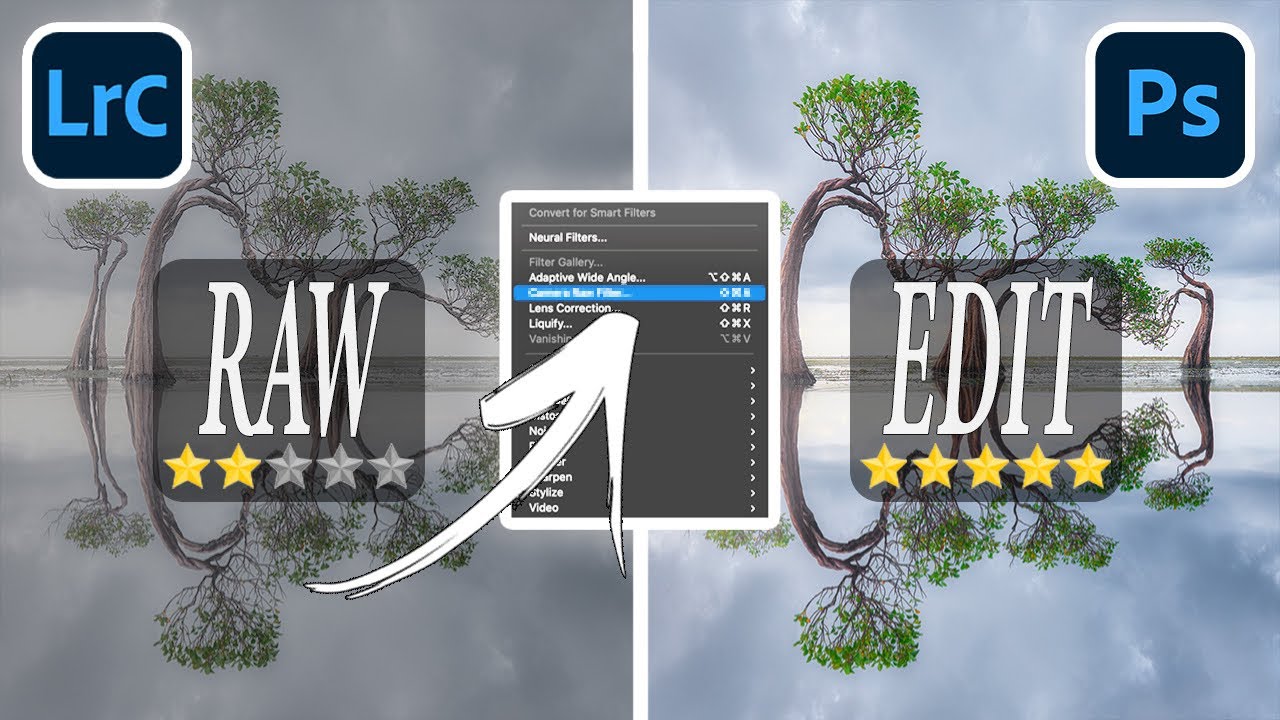
This is the most common question I get: “Should I learn Lightroom or Photoshop?” The answer is almost always Lightroom first, Photoshop when you need it. But let me explain why. What Lightroom Does Best Lightroom is a photo processor and organizer. It’s built specifically for photographers who need to import, sort, edit, and export large batches of images. Every adjustment in Lightroom is non-destructive — your original file is never touched.

Lightroom Mobile: Professional Editing on Your Phone

Lightroom Mobile: Professional Editing on Your Phone

I edited an entire client gallery on Lightroom Mobile during a six-hour flight. The client couldn’t tell the difference from my desktop edits. That’s not a gimmick — Lightroom Mobile is genuinely capable of professional work. Here’s how to get the most from it. What You Get for Free (and What’s Paid) Free tier includes basic editing tools: exposure, contrast, white balance, tone curve, color mixer, effects, detail, and optics. That covers a lot.

Lightroom Masking: The AI-Powered Selection Tools

Lightroom Masking: The AI-Powered Selection Tools

Lightroom’s masking tools have transformed how targeted edits work. What used to require careful brushwork or a trip to Photoshop can now be done with a single click. The AI-powered selections are fast, accurate, and genuinely useful once you understand their strengths and limitations. The AI Selection Tools Select Subject Click “Select Subject” and Lightroom’s AI identifies and masks the primary subject — usually a person, animal, or prominent object. The accuracy is impressive, especially with well-defined subjects against distinct backgrounds.

How to Fix Overexposed Photos in Lightroom

How to Fix Overexposed Photos in Lightroom

You review your photos after a shoot and several are overexposed — the sky is white, skin looks washed out, and details have disappeared into blown highlights. Before you delete them, try these recovery techniques. Modern raw files contain far more highlight information than what’s visible at default settings. Step 1: Assess the Damage First, turn on the highlight clipping indicator by pressing J in the Develop module (or clicking the triangle in the top-right corner of the histogram).