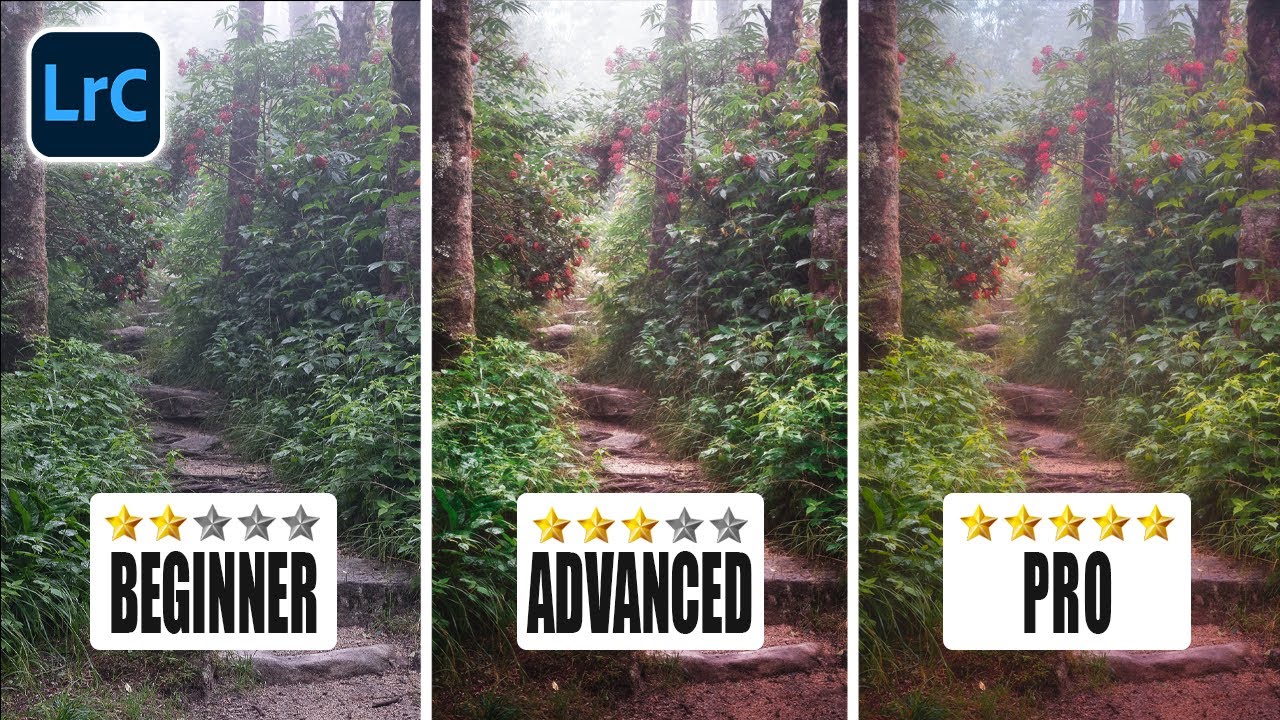
How to Control Where the Viewer's Eye Goes (And Why It Changes Everything)

How to Control Where the Viewer's Eye Goes (And Why It Changes Everything)

There’s a specific frustration I kept running into early in my editing workflow. I’d spend an hour on a landscape photo, get the tones looking clean, the colors feeling right, and then show it to someone who immediately looked at the wrong part of the frame. Not because the subject was unclear. Because the edit wasn’t doing its job. A technically correct photo and a visually directed photo are two completely different things, and for a long time I didn’t have the vocabulary to explain the gap between them.
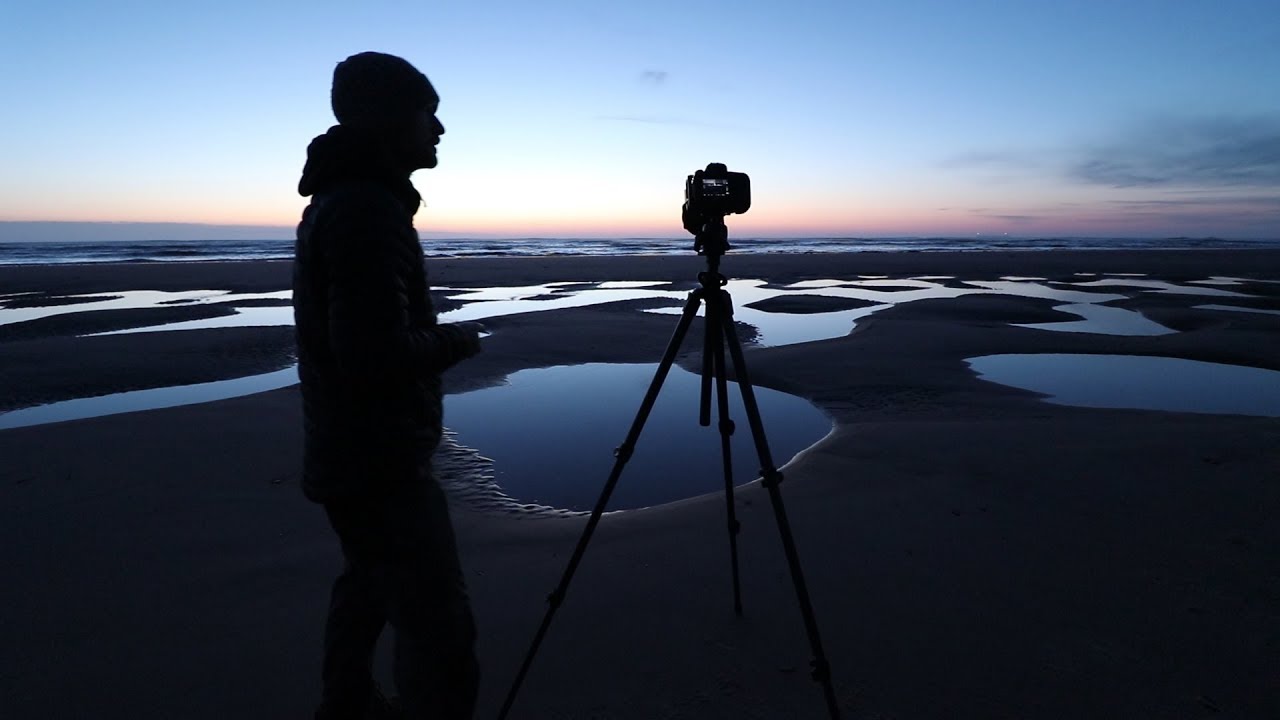

What a Stormy Beach Taught Me About Patient, Purposeful Editing in Lightroom

What a Stormy Beach Taught Me About Patient, Purposeful Editing in Lightroom

There’s a specific kind of frustration I know well: you show up to a location, the light is mediocre, your expectations are low, and somehow you still come home with a frame worth editing. The trap most people fall into is that they only learn to edit the easy shots, the ones with dramatic skies and perfect golden light. But the real skill, the one that actually makes you better, is knowing how to draw something out of a photo that wasn’t handed to you on a plate.

The Edit Is the New Composition: How Lightroom Changed What Makes a Photo Good

The Edit Is the New Composition: How Lightroom Changed What Makes a Photo Good

The Edit Is the New Composition: How Lightroom Changed What Makes a Photo “Good” I’ve been noticing something troubling while scrolling through Instagram and TikTok lately: technically mediocre photos are getting thousands of likes, while technically perfect compositions languish with minimal engagement. The culprit? A killer color grade. We’re living in an era where a flat, poorly framed snapshot can become absolutely stunning in the hands of someone who knows their way around Lightroom.