Three Photos, No Rules: What Matt Kloskowski's Editing Process Actually Teaches You

Three Photos, No Rules: What Matt Kloskowski's Editing Process Actually Teaches You

Every few months I’ll watch another working photographer edit in real time, not because I need the basics refreshed, but because the decisions are where the education lives. Anyone can list sliders. Watching someone decide which slider matters, and why, is a different thing entirely. That’s what pulled me into Matt Kloskowski’s new Photo Makeover series. Watch the full tutorial on YouTube and you’ll see what I mean within the first two minutes.

What Seven Years of Lightroom Experience Actually Looks Like (And What You Can Steal From It)

What Seven Years of Lightroom Experience Actually Looks Like (And What You Can Steal From It)

I have a folder on my hard drive called “Do Not Open.” It’s full of edits from my early years that I cannot look at without physically wincing. Over-sharpened skies. Shadows crushed to pure black like I was trying to make every photo look like a crime scene. Clarity sliders pushed so far right that the rocks look like they’re made of sandpaper. We’ve all been there. The problem is most of us don’t have a way to clearly see what changed between then and now, and more importantly, why it changed.

The Flat Interior Shot Fix: How Scott Kelby Turns a Dead Image Into Something That Breathes

The Flat Interior Shot Fix: How Scott Kelby Turns a Dead Image Into Something That Breathes

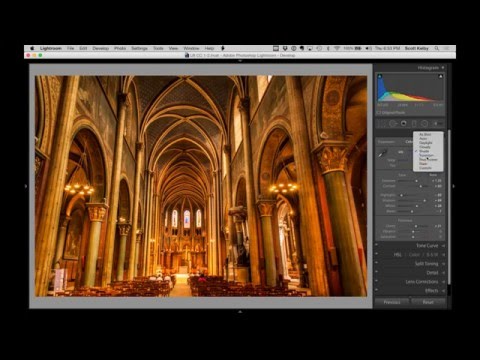
I’ve edited a lot of bad interior shots. Not bad in an interesting way. Bad in the “this looks like a screenshot from a 2009 real estate listing” way. Flat, blown-out windows, one side of the room looking like a cave while the other side looks like someone left the flash on. It’s a specific kind of image pain, and for a long time my solution was to either reach for HDR or just accept that the shot was a loss.

Fake Warmth, Real Results: What Matt Kloskowski's Photo Makeover Taught Me About Saving a Flat Shot

Fake Warmth, Real Results: What Matt Kloskowski's Photo Makeover Taught Me About Saving a Flat Shot

There’s a specific kind of photo that shows up in my editing queue more than any other: technically fine, emotionally flat. Good composition, bad light, shot at the wrong time of day. The kind of image where you know something is there but the raw file just doesn’t show it yet. For years I’d muscle through these with heavy-handed contrast moves that never quite worked. Then I started paying closer attention to how editors like Matt Kloskowski approach the problem, and it shifted the way I think about the entire process.

From Vignette Problem to Dreamy Long Exposure: A Lightroom Rescue Story

From Vignette Problem to Dreamy Long Exposure: A Lightroom Rescue Story

When Technical Constraints Become Creative Opportunities I recently found myself staring at a long exposure image that looked like it had fallen through a lighting mishap. The culprit? Stacking a polarizing filter with an ND filter on my wide-angle lens—a combo that created some serious vignetting around the edges. My first instinct was frustration. My second? Curiosity about how I could transform this “problem” into something actually beautiful. This experience reminded me that some of the most interesting edits happen when we work with our technical limitations rather than against them.

How to Edit a Sunrise RAW File When the Sky Is Already Doing the Work

How to Edit a Sunrise RAW File When the Sky Is Already Doing the Work

There’s a specific kind of heartbreak that landscape photographers know too well. You wake up before dawn, drive somewhere cold and beautiful, and something genuinely magical happens in front of your lens. You drive home buzzing. You pull up the RAW files. And then, nothing. Flat skies. Muddy colors. A scene that looks like a slightly overcast Tuesday instead of the light show you just witnessed with your own eyes. I’ve been editing photos long enough to know this isn’t a skill problem.

The Color Grading Game-Changer: Why Complementary Colors Transform Your Lightroom Edits

The Color Grading Game-Changer: Why Complementary Colors Transform Your Lightroom Edits

The Color Grading Game-Changer: Why Complementary Colors Transform Your Lightroom Edits I’ve noticed something fascinating happening in the photography community lately. While everyone’s obsessing over preset packs and AI-powered tools, the real magic still happens in Lightroom’s color grading panel—a feature that remains criminally underutilized by most photographers. Here’s the thing: the difference between a photo that makes someone stop scrolling and one that gets buried in their feed often comes down to color.

The Ultimate Guide to Rescuing Those Tricky Dappled Shade Bird Shots

The Ultimate Guide to Rescuing Those Tricky Dappled Shade Bird Shots

The Ultimate Guide to Rescuing Those Tricky Dappled Shade Bird Shots We’ve all been there. You’re out in the field, spot the perfect bird, raise your camera, and… it’s sitting in that infuriating patchwork of sunlight and shadow beneath the trees. The shot looks promising in the moment, but when you get home and crack open Lightroom, you’re staring at a color-grading nightmare. I recently dove deep into the specific challenges that plague bird photographers working in dappled forest environments, and I’m ready to share what I’ve learned.

Why Night Lights Photography is the Ultimate Lightroom Color Grading Challenge

Why Night Lights Photography is the Ultimate Lightroom Color Grading Challenge

When Artificial Light Becomes Your Canvas I’ve been watching the photography community light up—pun absolutely intended—over night lights photography, and I’m here to tell you why this genre is basically a masterclass in Lightroom color grading. There’s something magical about artificial light sources that forces you to abandon your typical editing playbook and get creative. Unlike natural light photography, where you’re working with predictable color temperatures and falloff, night lights throw you into the deep end.

The Lightroom Trap: Why Your Improvements Might Be Sabotaging Your Images

The Lightroom Trap: Why Your Improvements Might Be Sabotaging Your Images

The Lightroom Trap: Why Your “Improvements” Might Be Sabotaging Your Images I’ve been staring at Lightroom for so long that I can practically taste the RGB sliders. And after years of editing—both my own work and mentoring other photographers—I’ve noticed something fascinating: the most destructive edits are the ones that feel amazing while you’re making them. Lightroom’s greatest strength is also its Achilles heel. The software is so intuitive and forgiving that we can make dramatic changes in seconds.

Kodak's Ektapan Revival: What Film Photographers Need to Know About Editing These Classics

Kodak's Ektapan Revival: What Film Photographers Need to Know About Editing These Classics

Kodak’s Ektapan Revival: What This Means for Your Film Workflow I’ve been watching Kodak’s recent comeback with genuine excitement, and their latest announcement didn’t disappoint. The company just brought back one of their most legendary film stocks—Ektapan—and they’re doing it in a way that actually matters for working photographers. A Legendary Name Returns For those of us who appreciate film’s tactile history, Ektapan is basically the Beatles reunion we didn’t know we needed.

How to Edit Photos Like a Professional: Lightroom Mastery in 2024

How to Edit Photos Like a Professional: Lightroom Mastery in 2024

How to Edit Photos Like a Professional: Lightroom Mastery in 2024 I’ve been editing photos for over a decade, and I can tell you with absolute certainty: the difference between amateur and professional editing isn’t about expensive gear or secret filters. It’s about understanding fundamental principles and applying them with intention. If you want to know how to edit photos like a professional, you’re in the right place. Think of professional editing like the difference between a home-cooked meal and a Michelin-star restaurant dish.