Why Lightroom Feels Sluggish (And the Import Setting That Fixes Most of It)

Why Lightroom Feels Sluggish (And the Import Setting That Fixes Most of It)

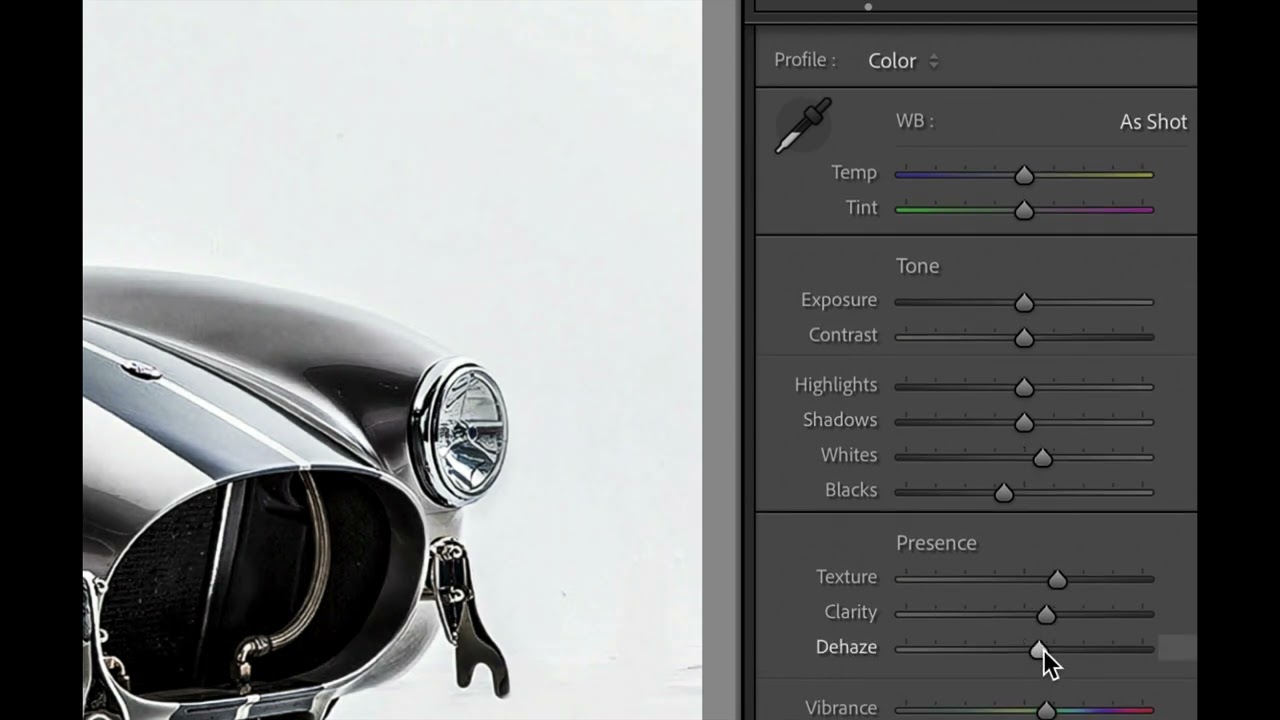
There’s a certain irony in spending more time waiting for Lightroom to load a photo than you spent actually taking it. I’ve been there more times than I’d like to admit. Early in my editing career, I chalked slow performance up to some cosmic tax on creative work. Turns out, most of it was self-inflicted. A few wrong settings, an underpowered drive, and a catalog stored in the worst possible location will bring even a capable machine to its knees.
Where Are All My Gigabytes Going? How to Hunt Down and Delete Bloated Lightroom Files

Where Are All My Gigabytes Going? How to Hunt Down and Delete Bloated Lightroom Files

My catalog is a crime scene. Not in an artistic way. I mean there are PSDs in there from 2015 that I abandoned mid-edit, TIFFs that got generated when I round-tripped a photo to Photoshop once and never looked at it again, and at least three different versions of the same bad HDR shot that I should have deleted the same night I made it. Sound familiar? This is one of those problems that sneaks up on you slowly, gigabyte by gigabyte, until suddenly your drive is nearly full and you have no idea why.

The Alt/Option Key Tricks in Lightroom That Changed How I Edit Every Photo

The Alt/Option Key Tricks in Lightroom That Changed How I Edit Every Photo

There’s a specific kind of frustration that comes from spending twenty minutes dialing in the tone of a photo, getting the shadows exactly right, nailing the contrast, and then realizing you also need to reset just the clarity and texture sliders because you went a little heavy-handed. The Reset button in Lightroom wipes everything. You’re starting over. For a long time, I was clicking through my History panel like it was a time machine, trying to claw back a specific moment in the edit.

Lightroom Presets Actually Work — But Probably Not the Way You're Using Them

Lightroom Presets Actually Work — But Probably Not the Way You're Using Them

I named my first serious preset pack after Fleetwood Mac songs. “Gold Dust Woman” was a warm, hazy film look with crushed shadows. “The Chain” was high contrast, almost brutal in the highlights. The naming was partly for fun, but it also forced me to think about each preset as having a mood rather than just a collection of slider positions. That reframe changed how I built presets, how I applied them, and honestly how I thought about editing entirely.

Stop Typing Blind in Lightroom's Print Module — Use This Copy-Paste Trick Instead

Stop Typing Blind in Lightroom's Print Module — Use This Copy-Paste Trick Instead

If you’ve ever tried to build a proper print layout in Lightroom and wanted to add more than a single line of text, you’ve probably hit the same wall I did. The identity plate field looks simple enough until you try to hit Return and Lightroom treats it like you just clicked OK. That’s it. Done. No line breaks, no centering, no tracking. Just a flat string of text sitting on your print like a name tag at a conference.

Stop Using Default Book Layouts: How to Build Custom Page Cells in Lightroom

Stop Using Default Book Layouts: How to Build Custom Page Cells in Lightroom

Every time I finished a project and moved into the Book module, I’d spend ten minutes scrolling through the built-in layout templates, picking the least-wrong one, and moving on. Not the best one. The least wrong one. There’s a difference, and if you’ve used Lightroom’s Book module for anything more than a quick blurb project, you know exactly what I mean. The templates are fine for generic use, but the moment you have a specific vision for how three tall portraits should sit side by side, or how an image should bleed into a particular corner, the template library starts feeling like trying to find a song you like on a radio station that’s almost right.

Stop Manually Dragging Sliders Back to Zero — There's a Much Faster Way

Stop Manually Dragging Sliders Back to Zero — There's a Much Faster Way

There’s a particular kind of frustration that hits when you’re deep in an edit and you realize a whole section of adjustments has gone sideways. The Presence panel is a mess, your Tone sliders look like a seismograph readout, and you need to back everything out and start fresh. For a long time, my solution was to drag each slider back to zero by hand, one at a time, like some kind of monk doing penance.

The Lightroom Panic Attack: Why Your Photos Aren't Really Gone (And How to Find Them)

The Lightroom Panic Attack: Why Your Photos Aren't Really Gone (And How to Find Them)

The Lightroom Panic Attack: Why Your Photos Aren’t Really Gone (And How to Find Them) We’ve all been there. You open Lightroom on a Monday morning, coffee in hand, ready to dive into color grading that weekend shoot. But instead of your carefully organized grid of thumbnails, you’re staring at an empty library. Your stomach drops. Where did everything go? Before you start imagining your entire photo collection evaporating into the digital void—take a breath.

Mobile Editing with Lightroom: Professional Results in Your Pocket

Mobile Editing with Lightroom: Professional Results in Your Pocket

Mobile Editing with Lightroom: Professional Results in Your Pocket I’ll be honest—when I first started shooting, the idea of serious editing on my phone felt like asking a chef to prepare a five-course meal in a shoebox. But after spending the last few years pushing Lightroom’s mobile app to its limits, I’ve completely changed my tune. Mobile editing isn’t a compromise anymore. It’s a legitimate, powerful workflow that can produce results that rival desktop editing.

Lightroom Presets: The Shortcut to Consistent, Professional Color Grading

Lightroom Presets: The Shortcut to Consistent, Professional Color Grading

Lightroom Presets: The Shortcut to Consistent, Professional Color Grading I used to spend 20 minutes editing each photo. Twenty minutes! Adjusting whites, shadows, vibrance, HSL sliders—the whole tedious dance. Then I discovered the real power of Lightroom presets, and my entire workflow changed. I’m not talking about one-click Instagram filters that make your photos look flat and over-processed. I’m talking about smart, customizable starting points that cut my editing time in half while actually improving consistency across my library.