Stop Editing Sliders First: How Thomas Heaton's Local-First Workflow Changed How I Think About Lightroom

Stop Editing Sliders First: How Thomas Heaton's Local-First Workflow Changed How I Think About Lightroom

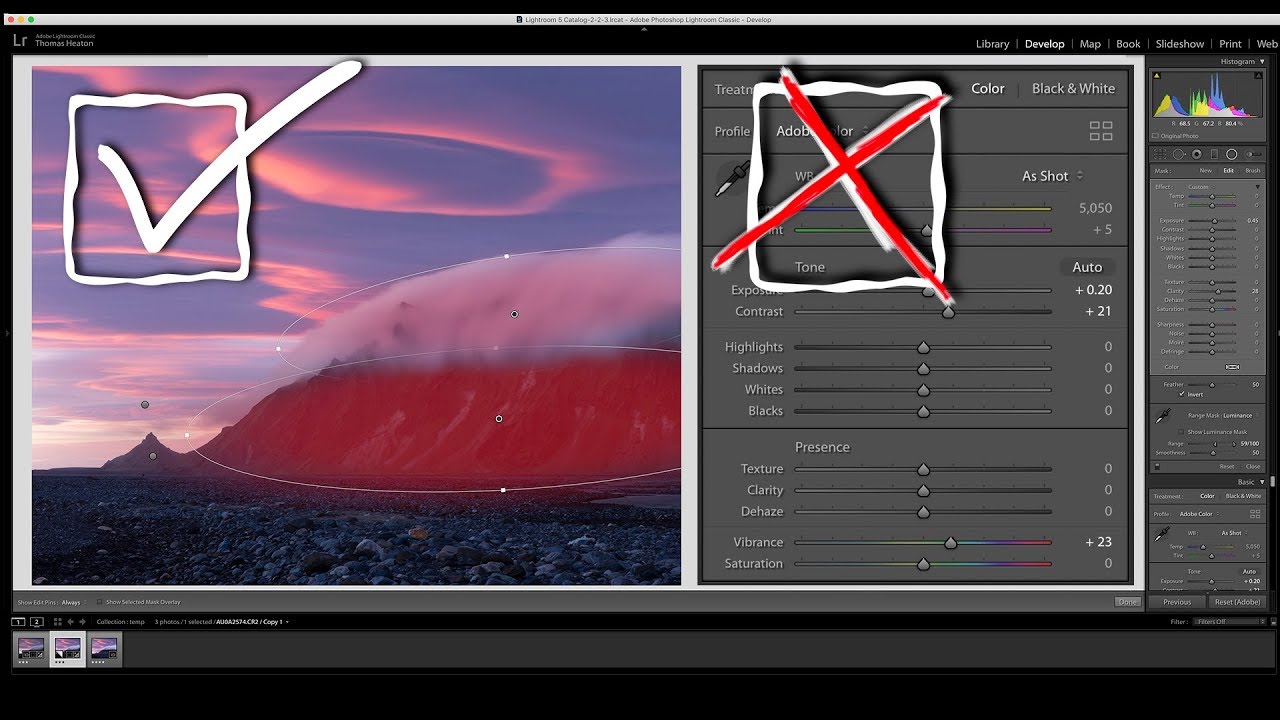
I used to open Lightroom and reach for the exposure slider before I even really looked at the photo. Exposure, contrast, highlights, shadows, done. It was efficient, it was comfortable, and it produced results that were… fine. Fine is the enemy of interesting. The problem with global adjustments is that they treat your entire image like a single, uniform thing when most compelling photos are the opposite of that. They have a subject, a background, a sky, a foreground, and each of those zones deserves its own treatment.
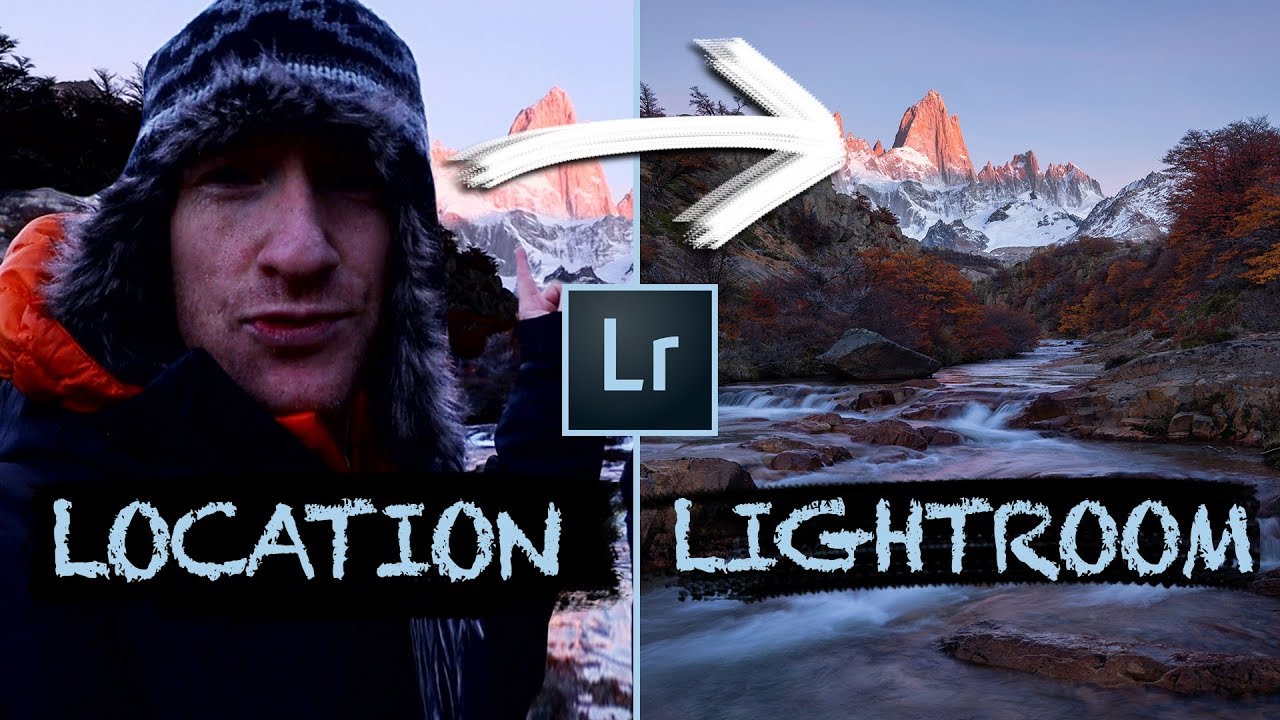
How Thomas Heaton Shoots and Edits Patagonia Alpenglow (And What His Workflow Teaches the Rest of Us)

How Thomas Heaton Shoots and Edits Patagonia Alpenglow (And What His Workflow Teaches the Rest of Us)

There’s a specific kind of chaos that happens when you’re standing in front of an extraordinary scene and you have maybe four minutes of good light left. I’ve been there in a different context, trying to get usable press shots for my band with a borrowed camera and zero budget, learning Lightroom out of necessity because nobody else was going to do it. That scramble taught me more about efficient, intentional editing than any formal course.

From Familiar to Extraordinary: Thomas Heaton's One-Shot Workflow (Location to Lightroom)

From Familiar to Extraordinary: Thomas Heaton's One-Shot Workflow (Location to Lightroom)

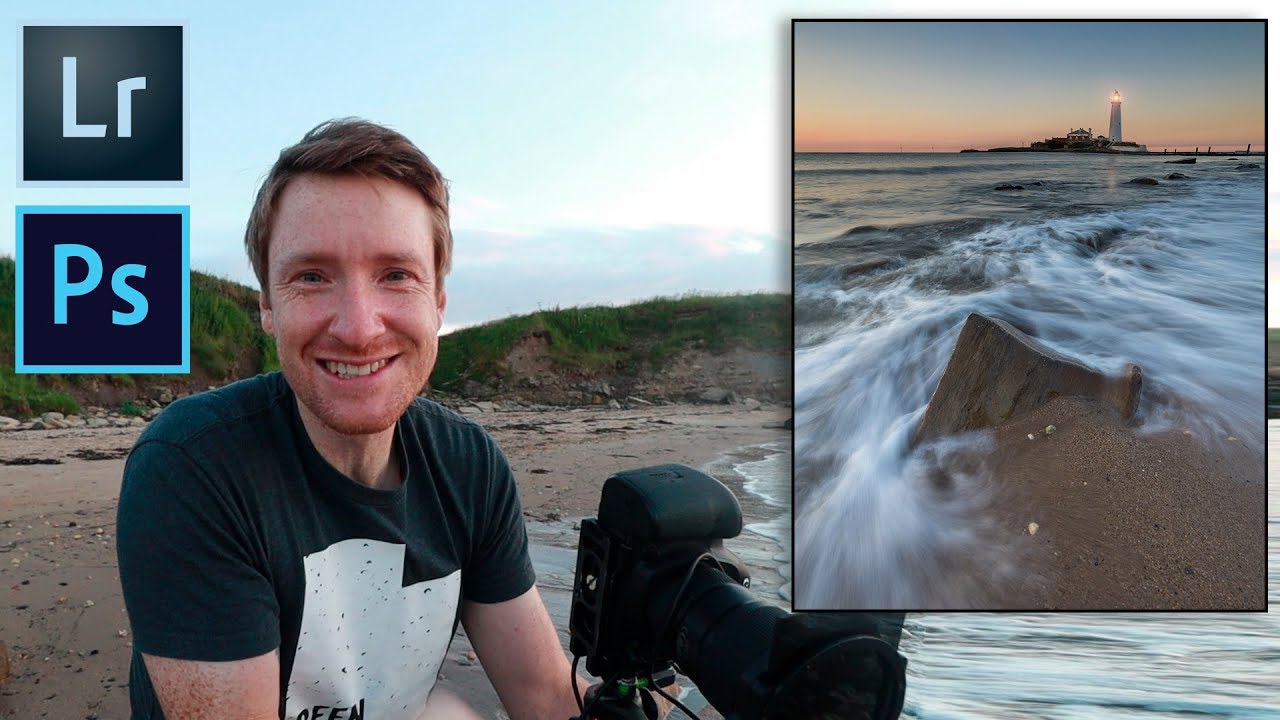
There’s a trap I fell into early in my editing career, and I see it constantly in the forums. People assume great landscape photography requires a passport, a red-eye flight, and a location they’ve never seen before. Thomas Heaton dismantles that assumption in about ten minutes of footage. In this Thomas Heaton tutorial, he heads out to St. Mary’s Lighthouse in Northumberland, a place he’s photographed so many times he almost talks himself out of going.

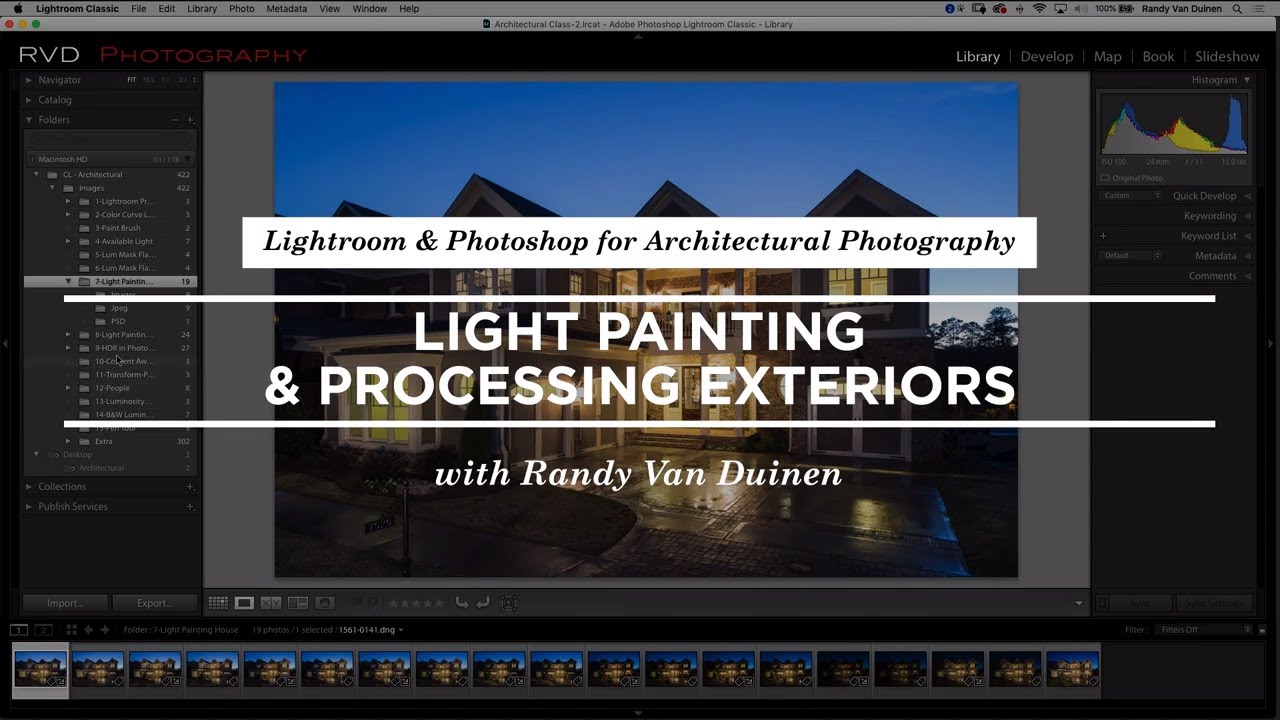
Light Painting an Exterior in Photoshop: What I Learned from This CreativeLive Breakdown

Light Painting an Exterior in Photoshop: What I Learned from This CreativeLive Breakdown

There’s a specific kind of frustration that comes with shooting architecture at dusk. You’ve got a beautiful building, you’ve nailed the composition, and the ambient light is almost perfect — except the facade is muddy, one side is underexposed, and no single frame has everything you want. I’ve been there more times than I’d like to admit. The usual answer is to drag in a strobe kit or rent a speed light setup, which is fine if you have the budget and an assistant.

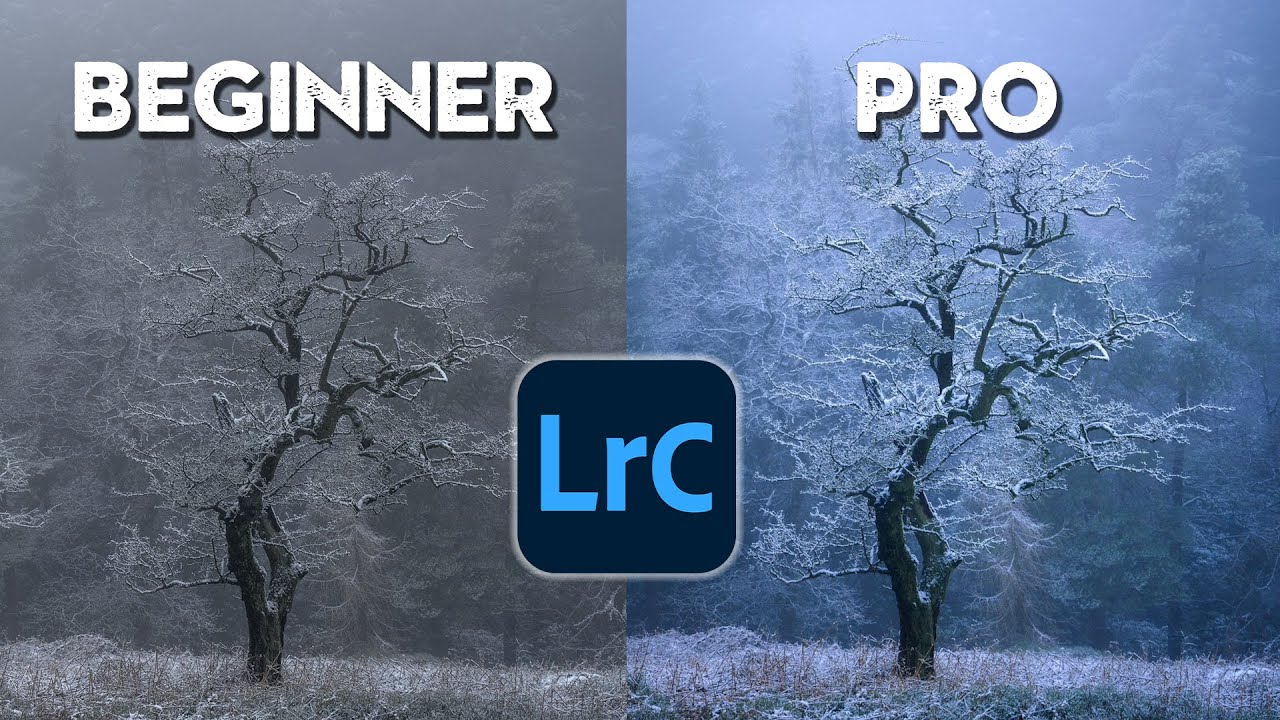
Beginner, Intermediate, or Pro? Here's How Your Lightroom Edit Actually Gives You Away

Beginner, Intermediate, or Pro? Here's How Your Lightroom Edit Actually Gives You Away

Every once in a while, a tutorial reframes something I thought I already understood. I’ve been editing in Lightroom long enough that I named my first preset pack after a Wilco album, but watching Nigel Danson work through the same two photos at three different skill levels made me pause and audit my own habits. Not because the tools were unfamiliar. Because the thinking behind them was. The premise of Watch the full tutorial on YouTube is deceptively simple: take two landscape photos and edit each one the way a beginner, intermediate, and pro would approach them.

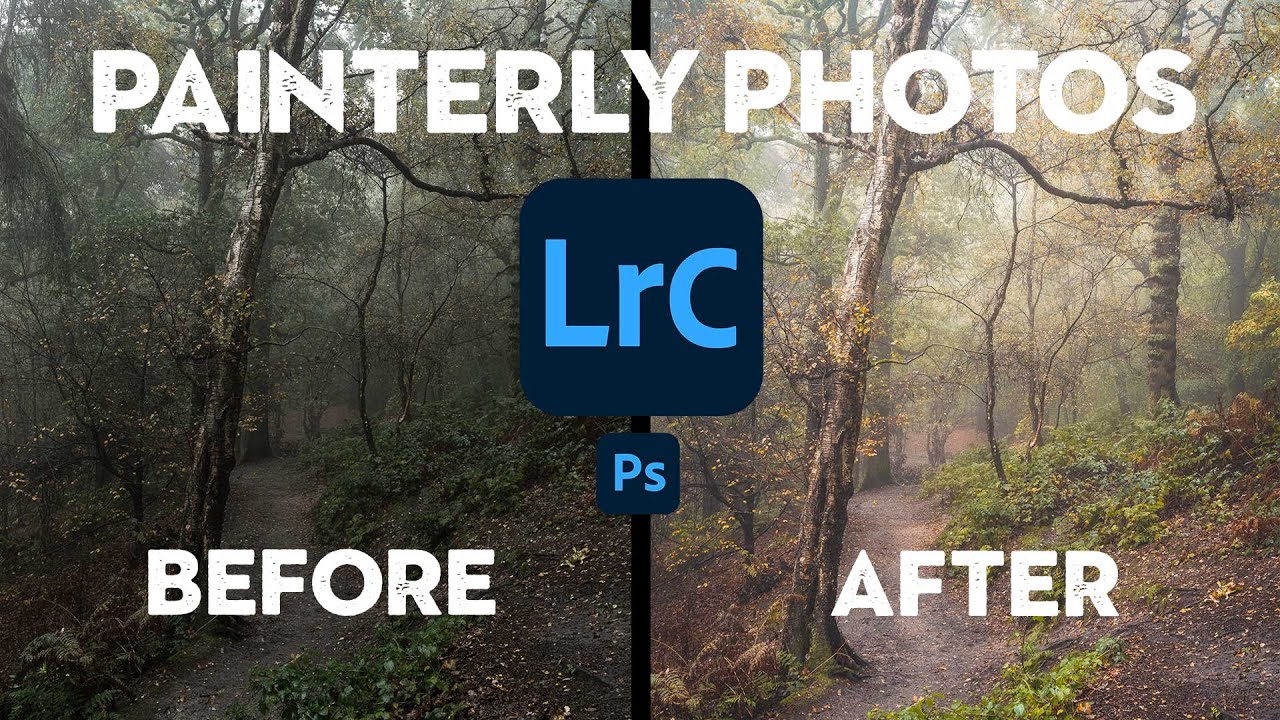
Steal Like a Painter: How to Give Your Woodland Photos That Soft, Atmospheric Look

Steal Like a Painter: How to Give Your Woodland Photos That Soft, Atmospheric Look

There’s a specific kind of woodland photo that stops me mid-scroll every time. It’s not sharp-everything, every-leaf-in-focus landscape photography. It’s something softer. More felt than seen. The kind of image that makes you think of oil paintings before you think of cameras. I’ve been chasing that look for a while, and I kept running into the same wall: I’d get into the woods, shoot something I thought had potential, bring it into Lightroom, and watch it turn into… a perfectly fine photo of some trees.

Night Sky Editing Tricks From a Pro: Dehaze, Luminosity Masks, and Reusable Selections

Night Sky Editing Tricks From a Pro: Dehaze, Luminosity Masks, and Reusable Selections

Night photography editing has a way of humbling you fast. You nail the exposure, you get home, you open Lightroom, and suddenly that brilliant Milky Way you saw with your own eyes looks like a faint smudge above some rocks. I’ve been there more times than I want to admit. The gap between what the camera captures and what the eye actually sees is widest at night, which means your editing has to work harder to close it.

Ilford's New Professional B&W Film Is a Game-Changer for Analog Purists (And Your Lightroom Workflow)

Ilford's New Professional B&W Film Is a Game-Changer for Analog Purists (And Your Lightroom Workflow)

Ilford’s New Professional B&W Film Is a Game-Changer for Analog Purists (And Your Lightroom Workflow) I’ve been seeing a lot of buzz lately about Ilford Photo’s latest release, and honestly, it’s got me excited. The legendary film manufacturer just announced a new limited-edition black-and-white 35mm stock called the Delta 400 Professional Collector’s Edition, and the specs are genuinely impressive. What Makes This Film Special? What caught my attention isn’t just that it exists—it’s how it performs.

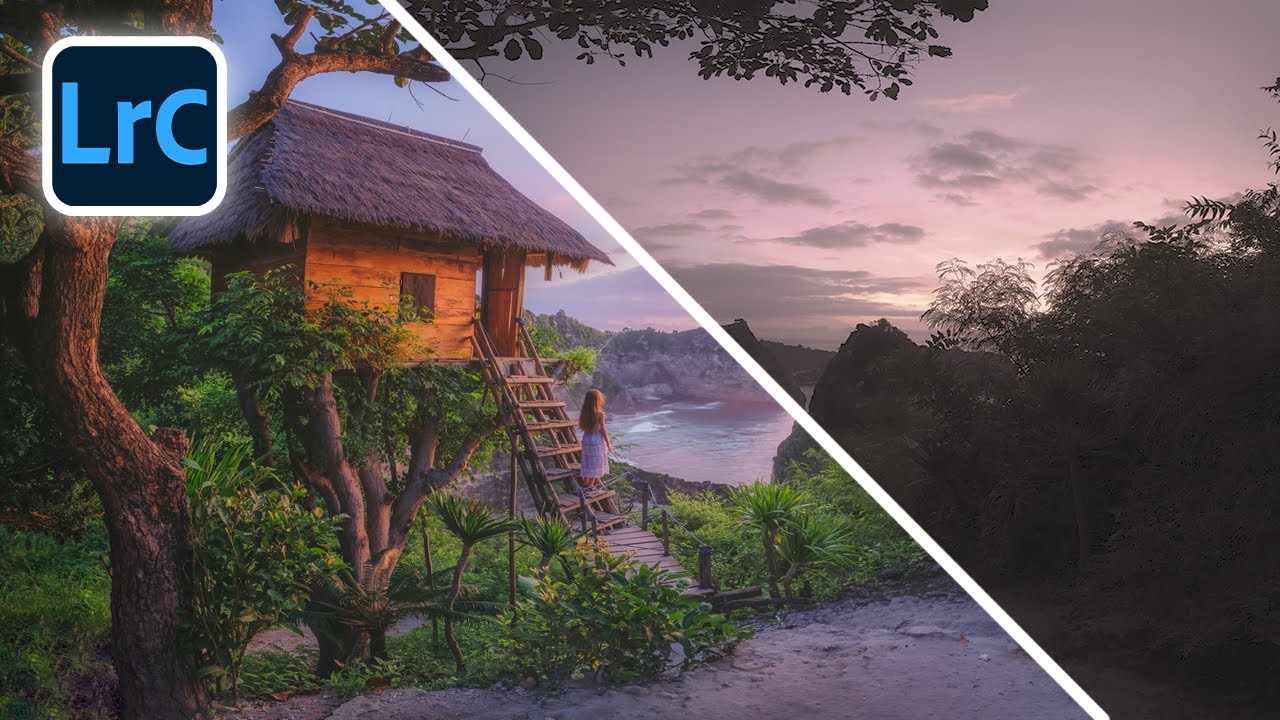
Start to Finish in Lightroom: What Mark Denney's Bali Edit Taught Me About Getting Out of My Own Way

Start to Finish in Lightroom: What Mark Denney's Bali Edit Taught Me About Getting Out of My Own Way

There’s a particular kind of editing paralysis that hits when you open a raw file that’s dramatically underexposed. You know there’s a great photo in there somewhere, but the gap between what you’re looking at and what you imagined in the field feels enormous. I’ve been there more times than I can count, usually somewhere around midnight with a vinyl record spinning and my cat ISO judging me from the desk chair.

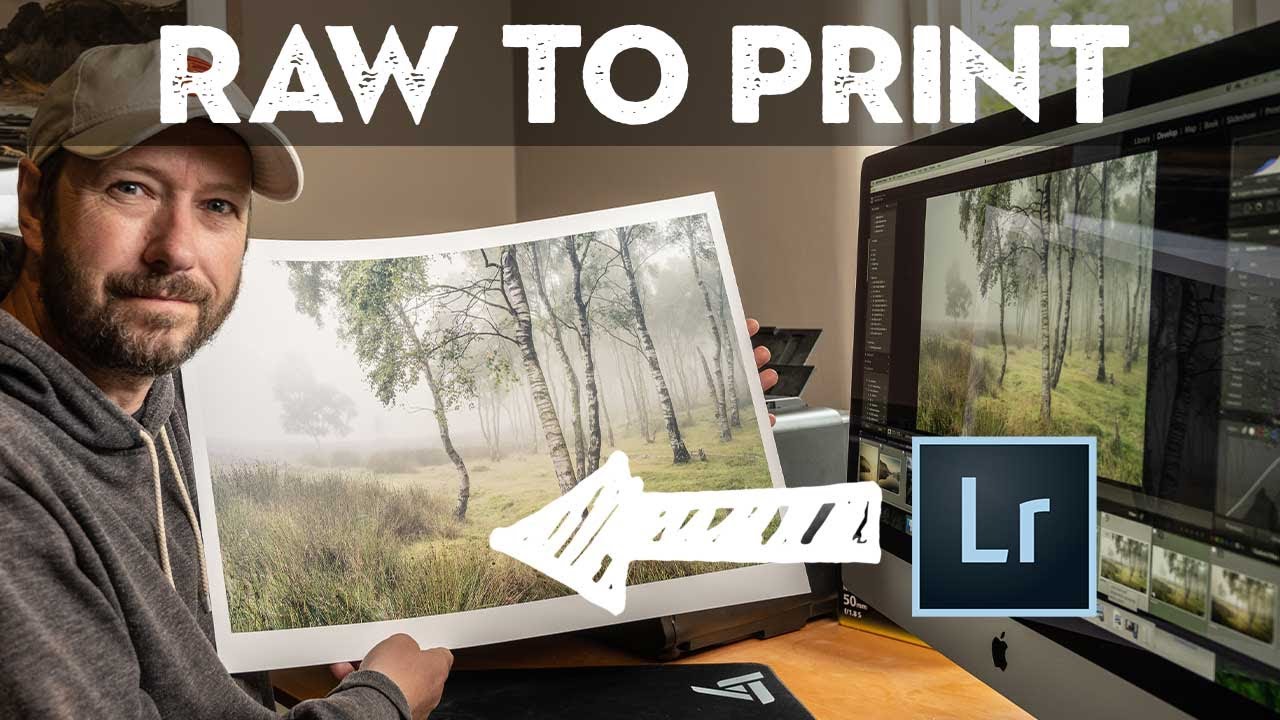
From Foggy RAW File to Final Print: What I Learned Watching Nigel Danson Edit a Landscape Photo

From Foggy RAW File to Final Print: What I Learned Watching Nigel Danson Edit a Landscape Photo

There’s a particular kind of frustration that comes from shooting a genuinely great scene and then watching the edit fall apart at your desk. You were there. You saw the fog rolling through the heather. You exposed carefully. And now the RAW file looks flat, muddy, and nothing like what you remember. This is the problem that a strong, repeatable editing workflow actually solves, and it’s why I keep coming back to tutorials from photographers who shoot seriously and edit seriously.

What a Stormy Beach Taught Me About Patient, Purposeful Editing in Lightroom

What a Stormy Beach Taught Me About Patient, Purposeful Editing in Lightroom

There’s a specific kind of frustration I know well: you show up to a location, the light is mediocre, your expectations are low, and somehow you still come home with a frame worth editing. The trap most people fall into is that they only learn to edit the easy shots, the ones with dramatic skies and perfect golden light. But the real skill, the one that actually makes you better, is knowing how to draw something out of a photo that wasn’t handed to you on a plate.

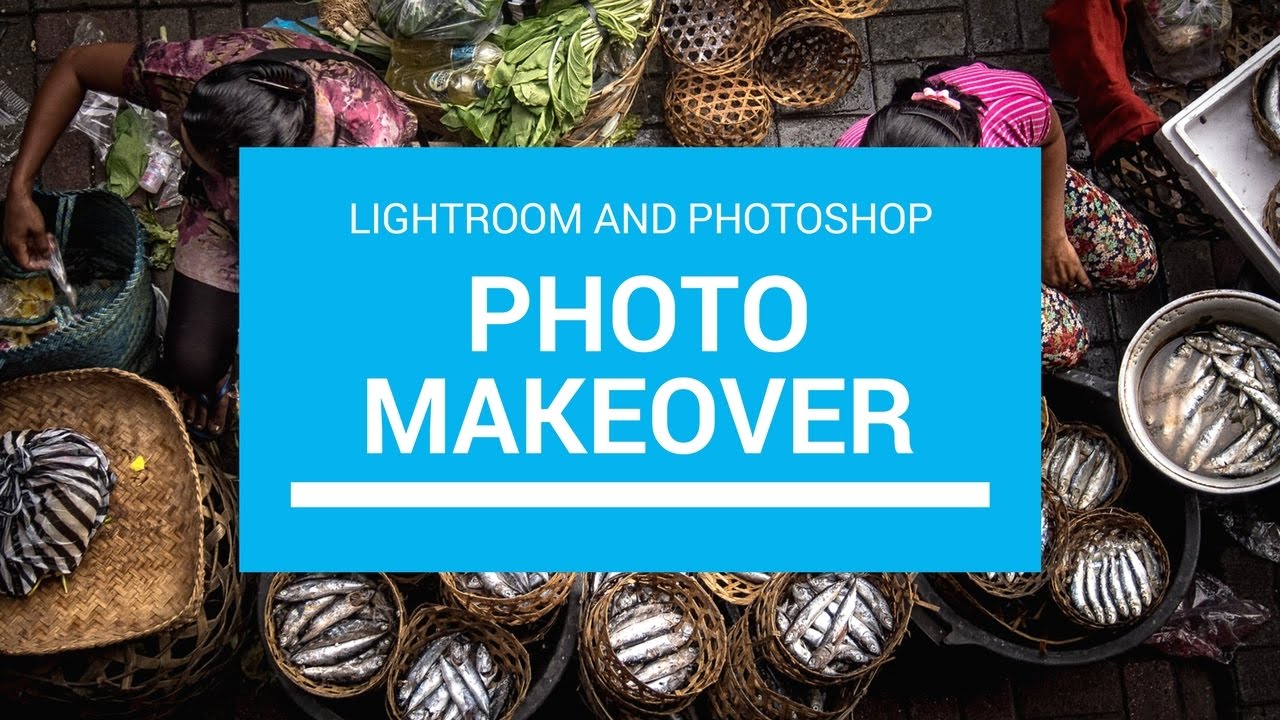
Three Photos, No Rules: What Matt Kloskowski's Editing Process Actually Teaches You

Three Photos, No Rules: What Matt Kloskowski's Editing Process Actually Teaches You

Every few months I’ll watch another working photographer edit in real time, not because I need the basics refreshed, but because the decisions are where the education lives. Anyone can list sliders. Watching someone decide which slider matters, and why, is a different thing entirely. That’s what pulled me into Matt Kloskowski’s new Photo Makeover series. Watch the full tutorial on YouTube and you’ll see what I mean within the first two minutes.